
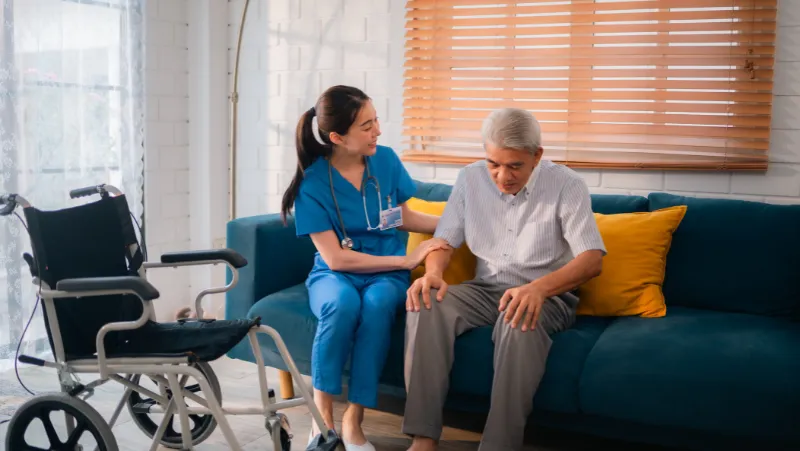
Coming home after a hospital stay should feel like relief, but for many seniors and families in Chennai it brings concern about recovery, medication management, and safety. This is where Transition Care Services for seniors in Chennai play a vital role. The gap between hospital discharge and full recovery is critical, as many elderly patients remain physically weak even after being declared medically stable.
Without proper support, risks of complications and readmission increase significantly, with nearly one in five patients returning to hospital within 30 days. Transitional care ensures continuous medical supervision, nursing support, and rehabilitation during this period. Whether at home or in a care facility, it helps seniors recover safely, regain strength, and transition smoothly from hospital to independent living with confidence and dignity.
Transitional care is short-term, professionally managed healthcare provided in the period following hospital discharge. Its purpose is to ensure that patients — particularly elderly individuals — continue to receive the medical supervision, rehabilitation support, and daily living assistance they need while their bodies heal and regain strength.
The core purpose of transitional care is threefold:
Transitional care services in Chennai are designed for individuals who need extra medical and daily living support after leaving the hospital but are not yet ready to manage independently at home.
Transitional care ensures these patients receive the right level of medical attention, rehabilitation, and emotional support to recover safely and confidently.
A well-structured transitional care program in Chennai provides a complete range of medical, rehabilitative, and supportive services designed to ensure safe recovery after hospitalization. These services are delivered by trained professionals working as a coordinated care team.
Assisted Living Support
Medical and Nursing Care
Physiotherapy and Recovery Support
Rehabilitation Care
Home Health Care Integration
Emotional and Social Support
Transitional care is designed to support patients as they move from hospital care to recovery and independent living. Our transitional care services in Chennai ensure patients receive continuous support, medical supervision, and rehabilitation assistance during the recovery process.
Our goal is to create a smooth and supportive recovery experience that helps patients heal safely, regain confidence, and return to daily life with greater independence.
Our transitional care facility in Chennai provides a safe, comfortable, and supportive environment designed to promote healing and recovery. Patients receive attentive care in a clean and peaceful setting where their physical, emotional, and daily living needs are carefully managed.
Our goal is to create a caring environment where patients feel secure, respected, and supported throughout their recovery journey.
The value of structured transitional care services for seniors in Chennai extends well beyond the immediate post-discharge period. Its benefits are clinically significant, practically meaningful, and deeply felt by families navigating elder care.
Our transitional care services in Chennai are built on a patient-centered philosophy that focuses on dignity, compassion, safety, and holistic recovery. We believe that healing is most effective when patients receive not only medical support, but also emotional encouragement and personalized attention.
Our philosophy is centered on helping patients regain confidence, strength, and independence while ensuring they feel valued, supported, and cared for throughout their recovery journey.
Post-hospital discharge is a critical phase for elderly patients, yet often overlooked. Without structured support, recovery gains may be lost due to complications, readmissions, or reduced function at home. Transitional care services in Chennai are designed to bridge this gap through coordinated medical supervision, rehabilitation, assistance with daily activities, and emotional support.
This ensures continuity of care from hospital to home and helps seniors recover safely and confidently. If your loved one is nearing discharge or has recently returned home and requires professional support, reach out to our transitional care team today to ensure a safer, smoother recovery journey ahead.
Transitions of care refer to the movement of patients between different healthcare settings or levels of care. Common examples include discharge from a hospital to home, transfer from an intensive care unit to a step-down ward, or moving from a rehabilitation center to assisted living. Each transition requires careful coordination of medical records, medications, and care instructions to ensure continuity and prevent adverse events or complications.
The purpose of a transitional care unit is to provide short-term recovery services to patients who no longer need acute hospital care but are not yet ready to return home. These units bridge the gap by offering nursing care, rehabilitation, and medical oversight in a supportive environment. The goal is to enhance recovery, reduce hospital readmissions, and prepare patients for independent living through personalized, monitored care plans.
A transitional care plan outlines the steps and services needed to guide a patient from one level of care to another—typically from hospital to home. It includes medical instructions, follow-up appointments, medication schedules, therapy plans, and support services. A good plan ensures continuity of care, minimizes confusion, and promotes better health outcomes by coordinating between healthcare providers, patients, and families during the recovery period.

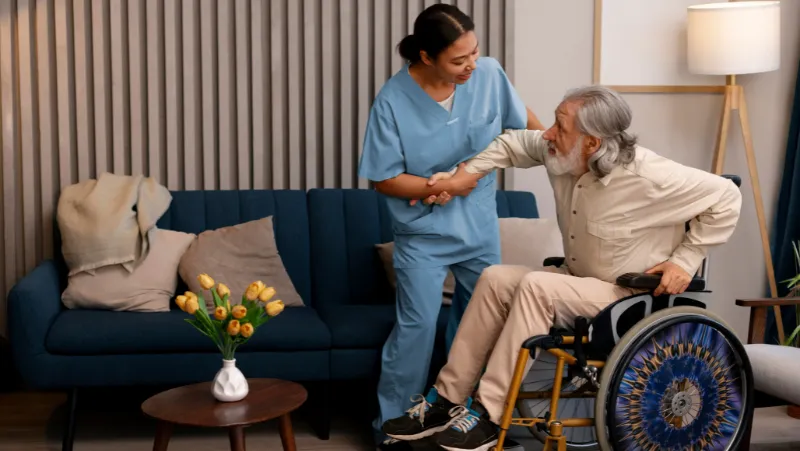

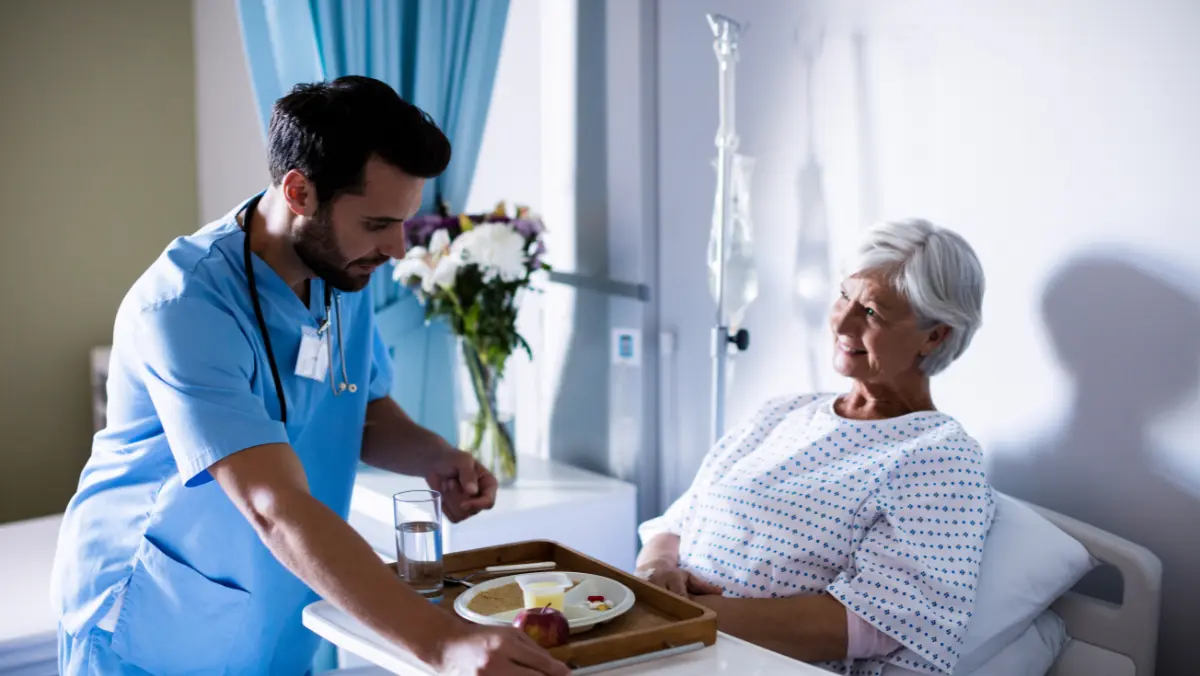
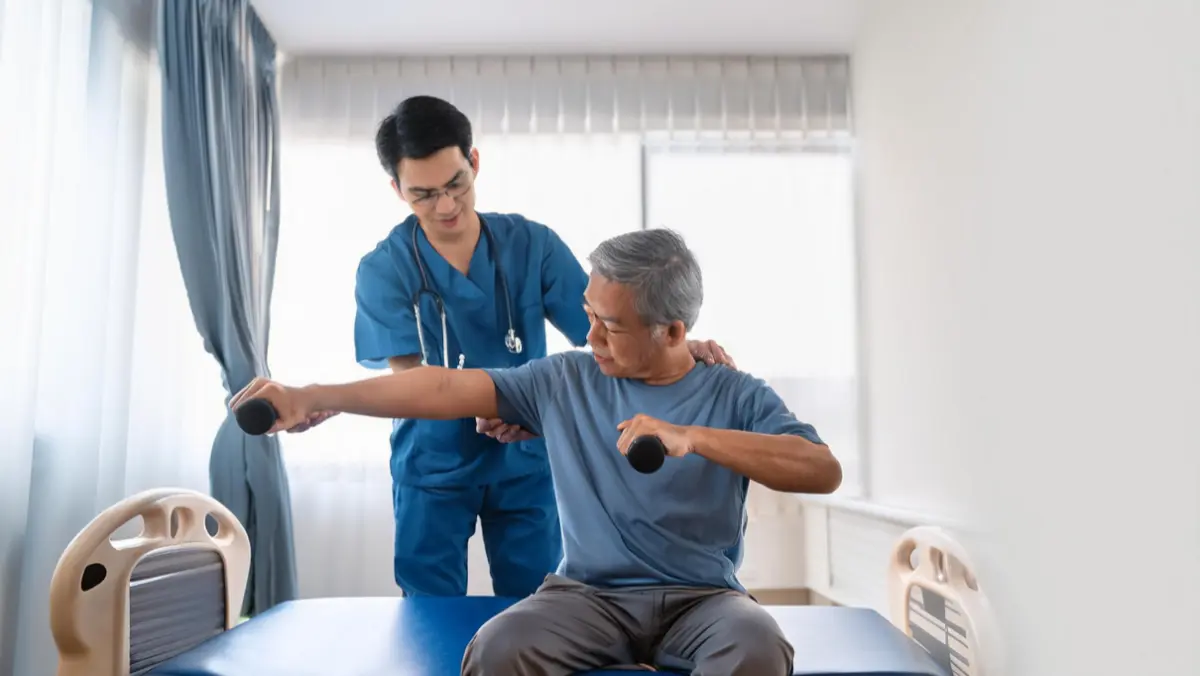

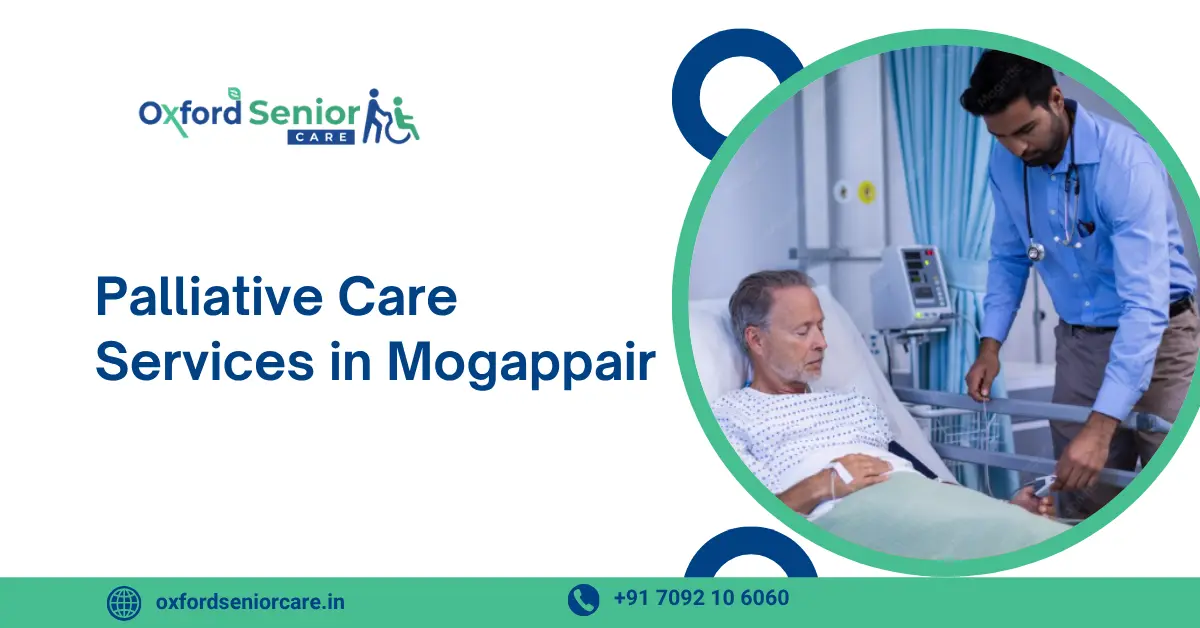
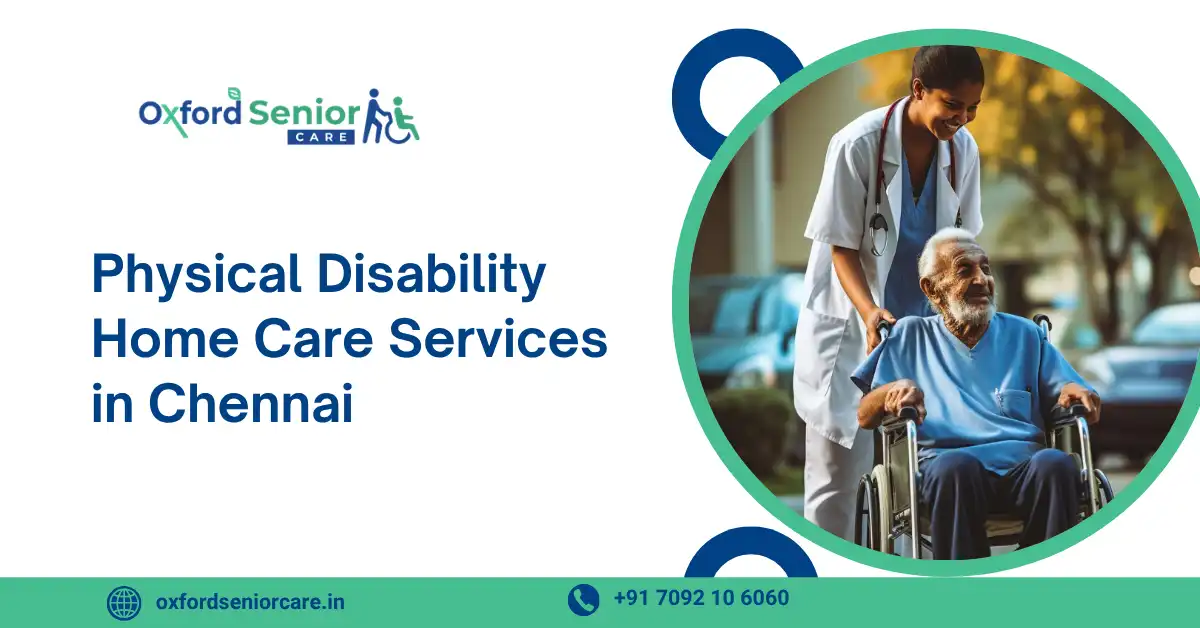
Transitions of care refer to the movement of patients between different healthcare settings or levels of care. Common examples include discharge from a hospital to home, transfer from an intensive care unit to a step-down ward, or moving from a rehabilitation center to assisted living. Each transition requires careful coordination of medical records, medications, and care instructions to ensure continuity and prevent adverse events or complications.
The purpose of a transitional care unit is to provide short-term recovery services to patients who no longer need acute hospital care but are not yet ready to return home. These units bridge the gap by offering nursing care, rehabilitation, and medical oversight in a supportive environment. The goal is to enhance recovery, reduce hospital readmissions, and prepare patients for independent living through personalized, monitored care plans.
A transitional care plan outlines the steps and services needed to guide a patient from one level of care to another—typically from hospital to home. It includes medical instructions, follow-up appointments, medication schedules, therapy plans, and support services. A good plan ensures continuity of care, minimizes confusion, and promotes better health outcomes by coordinating between healthcare providers, patients, and families during the recovery period.