
Palliative Care Services

Palliative Care Services

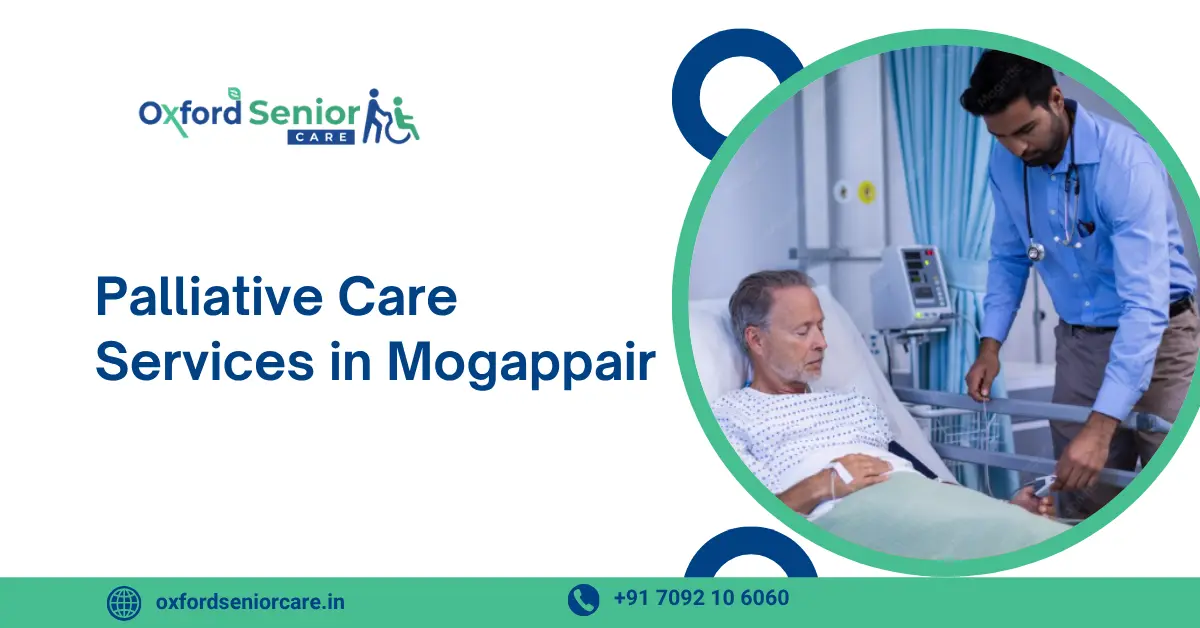
Palliative care is specialised medical care focused on providing relief from the symptoms, pain, and stress of a serious illness. Its primary purpose is not to cure, but to improve the quality of life — preserving comfort, restoring dignity, and supporting the emotional, social, and spiritual dimensions of health that clinical treatment alone cannot reach.

Palliative Care Services are for anyone living with a serious or life-limiting condition: cancer patients at any stage of treatment, individuals managing chronic illnesses such as heart failure, kidney disease, or advanced neurological conditions, and those in the terminal phase of illness who need compassionate end-of-life care. Importantly, palliative care can be — and should be — provided alongside curative or disease-modifying treatment. It is not a last resort. It is a parallel layer of support that enhances every other aspect of care.

What Are Palliative Care Services?

Palliative care services deliver a whole-person model of care that integrates medical, emotional, social, and spiritual support. Unlike conventional medicine — which focuses primarily on treating the underlying disease — palliative care treats the experience of illness: the pain, the fear, the fatigue, the uncertainty, and the grief.

This approach recognises that serious illness affects not just the body, but every dimension of a person's life. A cancer patient may have well-controlled tumours but be unable to eat, sleep, or engage with their family because of unmanaged symptoms. A person with end-stage heart failure may be medically stable but living in fear and isolation. Palliative care services address these realities directly.

Core Areas of Focus

  •  Pain Management — Systematic assessment and treatment of acute and chronic pain using pharmacological and non-pharmacological methods
  • Symptom Control — Active management of breathlessness, nausea, vomiting, fatigue, insomnia, loss of appetite, and other distressing symptoms
  • Psychological Support — Professional counselling for patients experiencing anxiety, depression, existential distress, and fear
  • End-of-Life Care — Compassionate, patient-directed support for individuals in the final phase of life, focused on comfort, presence, and peace
  • Spiritual and Existential Care — Support for questions of meaning, faith, legacy, and acceptance that arise in the context of serious illness

Services Offered

A comprehensive palliative care programme delivers care across multiple dimensions. The following services form the core of what expert palliative care teams provide:

Medical Care

The medical arm of palliative care services is led by specialist physicians trained in pain medicine and symptom management. Services include:

  •       Advanced pain management — including opioid therapy, nerve blocks, and adjuvant analgesics tailored to the patient's condition
  •       Symptom relief protocols — targeted treatment for breathlessness, nausea, fatigue, constipation, and delirium
  •       Medication review and optimisation — Making treatment plans easier to follow, monitoring and preventing harmful medication interactions, and eliminating medicines that are no longer necessary or beneficial. 
  •       Coordination with the primary oncology, cardiology, or nephrology team to align palliative and curative goals

Nursing Care

Nursing forms the continuous backbone of palliative care delivery. Palliative nurses provide:

  •       Round-the-clock nursing support in inpatient and hospice settings
  •       Home nursing care for patients who prefer or require care at home
  •       Wound management, catheter care, feeding tube management, and other clinical nursing tasks
  •       Patient and family education on managing symptoms, administering medications, and recognising changes in condition

Psychological Support

Living with a serious illness carries an enormous psychological burden — for the patient and for those who love them. Palliative care services include dedicated psychological care:

  •       Individual counselling for patients dealing with depression, anxiety, grief, body image changes, and loss of identity
  •       Family counselling to support communication, resolve conflict, and help loved ones understand and process the illness
  •       Bereavement support — grief counselling for families before and after the death of a loved one, helping them navigate one of life's most difficult transitions

Social Support

Illness disrupts life on every level — including practical, financial, and social dimensions. Social support within palliative care services includes:

  •       Social worker assistance with care coordination, discharge planning, and connecting patients to community resources
  •       Guidance on financial entitlements, insurance navigation, and welfare benefits where available
  •       Support with legal matters such as advance care directives, power of attorney, and estate planning

Spiritual Care

Serious illness often prompts deep questions about meaning, legacy, and what lies ahead. Palliative care services provide:

  •       Multi-faith spiritual support from trained chaplains or spiritual care workers who respect and honour each patient's beliefs
  •       Support for non-religious spiritual needs, including reflection, legacy work, and life review
  •       Facilitation of rituals, prayers, or cultural practices that bring comfort and peace to patients and families

Home Care Services

Many patients prefer to receive care in the comfort and familiarity of their own home. Our home-based palliative care services include:

  •       Regular doctor and nurse home visits for symptom assessment, medication management, and clinical review
  •       Home-based symptom management plans so families can confidently manage day-to-day care between visits
  •       Telephone and telemedicine support for urgent advice outside of scheduled visit times
  •       Caregiver training to help family members provide safe, effective, and compassionate care

Hospice / Inpatient Care

For patients with complex or refractory symptoms, or those in the final phase of life, inpatient palliative care provides a dedicated, peaceful environment:

  •       Dedicated inpatient beds in a calm, homelike setting designed for comfort rather than clinical intensity
  •       Intensive symptom management for pain crises, intractable breathlessness, or delirium
  •       End-of-life care with 24/7 nursing presence, ensuring the patient is never alone and never in unmanaged distress
  •       Family accommodation and support so loved ones can remain present through the final days.

Our Care Approach

What sets exceptional palliative care services apart from conventional medical care is not only the range of services provided, but also the compassionate approach and care philosophy used in delivering support to patients and families.

  •       Patient-Centred Care: Every decision is guided by the patient's own goals, values, and preferences. We ask not just 'what is the matter?' but 'what matters most to you?'
  •       Family Inclusive Care: The family is an active part of the care journey, not just an observer. They are integral participants in the care journey, supported, informed, and involved at every stage.
  •       Holistic Approach:  We focus on supporting the patient’s physical health, emotional well-being, and spiritual comfort through comprehensive and compassionate care.
  •       Team-Based Coordination:  Regular multidisciplinary meetings ensure that no aspect of the patient's care falls through the gaps between specialties.
  •     Continuous Assessment and Follow-Up: Palliative care requirements can change over time, making regular monitoring and ongoing support essential for effective care management. We review and adapt the care plan regularly, ensuring it reflects the patient's current condition and changing priorities.


Conditions We Support

Palliative care services are not exclusive to cancer patients, though oncology care remains a significant part of our work. We provide specialist support for a broad range of serious and life-limiting conditions:

  • Post-Surgical Recovery: Professional nursing care and monitoring for patients recovering after surgery, including wound care, medication management, and mobility assistance.
  •  Elderly Care: Compassionate support for senior citizens who require assistance with daily activities, medication reminders, mobility, and long-term health management.
  • Chronic Illness Management: Ongoing medical and personal care support for individuals managing long-term health conditions such as diabetes, high blood pressure, heart-related diseases, arthritis, and respiratory illnesses.
  • Stroke & Neurological Care: Dedicated rehabilitation and monitoring services for patients recovering from stroke, Parkinson’s disease, paralysis, and other neurological disorders that require specialised attention and continuous support.
  • Palliative & End-of-Life Care: Compassionate care designed to reduce pain, provide comfort, and improve the quality of life for individuals with severe or terminal illnesses, while also supporting the emotional well-being of family members.
  • Orthopaedic & Mobility Support: Recovery-focused care for patients dealing with fractures, joint replacement surgeries, spinal conditions, or mobility challenges that require rehabilitation and physical assistance.
  •  Respiratory Care: Home-based support for patients with breathing difficulties, COPD, asthma, or those requiring oxygen therapy and respiratory monitoring.

 Referral to palliative care services at an earlier stage — not just at end of life — consistently results in better symptom control, improved quality of life, and greater patient and family satisfaction.

Facilities

Our palliative care centre is designed with patient comfort and family presence as its primary design principles — not clinical efficiency. Facilities include:

  •       Dedicated inpatient palliative care beds and hospice units with private or semi-private room options
  •       Private counselling rooms for psychological and spiritual care sessions
  •       Home care coordination centre managing scheduled and on-call home visit services
  •       Physiotherapy and rehabilitation support space for mobility and breathing exercises
  •       Family waiting and rest areas designed for comfort during extended stays

Eligibility for Palliative Care Services
  • Palliative Care Services are available to any patient living with a serious, chronic, or life-limiting illness that impacts quality of life. Eligibility is not dependent on age, diagnosis, or stage of disease, and care can begin at any point after diagnosis.
  • Patients are eligible if they experience ongoing symptoms such as pain, breathlessness, fatigue, nausea, anxiety, or emotional distress related to a serious medical condition. Those undergoing active treatment for illnesses such as cancer, heart disease, kidney failure, neurological disorders, or advanced respiratory conditions can receive palliative care alongside curative or disease-modifying treatment.
  • Patients in advanced or terminal stages who require comfort-focused, supportive, and end-of-life care are also eligible. In addition, families and caregivers who need guidance, emotional support, and assistance in managing care at home are included within the scope of palliative care services.


Patient & Family Support

Illness is never a solo experience. Behind every patient is a family — absorbing the shock, making difficult decisions, and carrying an invisible emotional weight. Our palliative care services are built around supporting both patient and family with equal commitment.

  • End-of-Life Planning: Our palliative care team facilitates thoughtful, compassionate conversations about the future — including advance care directives, resuscitation preferences, place of death, and legacy planning. These conversations, while difficult, are among the most valuable things we can offer. They ensure the patient's wishes are known, respected, and followed.
  • Grief and Bereavement Support: Families receive follow-up counselling, support groups, and access to a dedicated grief counsellor in the weeks and months following their loss. Grief does not end at the funeral — and neither does our care.
  • Caregiver Training: Family members who take on caregiving responsibilities receive structured training in medication administration, symptom recognition, safe patient handling, and when to seek urgent support. This builds confidence, reduces caregiver burnout, and improves the quality of home-based care.
  • Family Education: Understanding the trajectory of a loved one's illness is essential to making informed decisions and providing effective support. Our team provides clear, compassionate education about disease progression, what to expect, and how to navigate the healthcare system — empowering families to be active, confident participants in care.

Conclusion 

Palliative care services represent medicine at its most human, recognizing that while healing is not always possible, caring always is. They affirm that dignity, comfort, and meaningful connection are not optional additions but essential aspects of care for every person living with a serious illness. Whether a patient is newly diagnosed with cancer and requires support alongside active treatment, managing a chronic condition that gradually limits independence, or nearing the final stage of life, palliative care services remain continuously relevant. 

Oxford Senior Care offers supportive palliative care services designed to walk alongside patients and families at every stage of the illness journey. The focus is not to replace curative treatment but to complement it, ensuring relief from pain and symptoms while providing emotional, psychological, and compassionate support for both patients and caregivers.

Frequently Asked Questions

The seven most common symptoms addressed in palliative care include pain, breathlessness, fatigue, nausea, constipation, anxiety, and depression. Each of these can severely impact a patient’s quality of life. Palliative care focuses on managing these symptoms through medications, therapies, and supportive measures. Effective control of these symptoms helps patients maintain comfort and engage more meaningfully with their surroundings and relationships. Addressing these symptoms also eases the emotional and physical burden for families and caregivers.

Palliative care can be categorized into primary, secondary, and tertiary care. Primary palliative care is provided by general healthcare providers who manage basic symptoms. Secondary palliative care involves specialized teams that work in hospitals or home care settings. Tertiary palliative care is offered in academic or research institutions and involves managing complex cases. All types focus on relieving symptoms, improving quality of life, and supporting decision-making for patients and families.

Palliative care can begin at any stage of a serious illness and continue as long as needed. It may last for weeks, months, or even years, depending on the condition’s progression and the patient’s needs. Unlike hospice care, which is generally limited to end-of-life scenarios, palliative care can be integrated early during diagnosis and continue alongside curative treatments. The duration is flexible and determined by how long a patient requires symptom management and support.


Our Services

Have a Question

Recent Packages

Diabetes profile, Liver function test, lipid profile & more

Recent Blogs

Families across India now choose trusted Patient Care at Home to deliver expert medical support, comfort, and healing every day.
Aging bodies heal better and move freely when physiotherapy for elderly is practised consistently with the right guided movements daily.
Professional medical care at home ensures comfort, recovery support, and personalized assistance through Home Care Nursing Service in Mogappair.

Frequently Asked Questions

The seven most common symptoms addressed in palliative care include pain, breathlessness, fatigue, nausea, constipation, anxiety, and depression. Each of these can severely impact a patient’s quality of life. Palliative care focuses on managing these symptoms through medications, therapies, and supportive measures. Effective control of these symptoms helps patients maintain comfort and engage more meaningfully with their surroundings and relationships. Addressing these symptoms also eases the emotional and physical burden for families and caregivers.

Palliative care can be categorized into primary, secondary, and tertiary care. Primary palliative care is provided by general healthcare providers who manage basic symptoms. Secondary palliative care involves specialized teams that work in hospitals or home care settings. Tertiary palliative care is offered in academic or research institutions and involves managing complex cases. All types focus on relieving symptoms, improving quality of life, and supporting decision-making for patients and families.

Palliative care can begin at any stage of a serious illness and continue as long as needed. It may last for weeks, months, or even years, depending on the condition’s progression and the patient’s needs. Unlike hospice care, which is generally limited to end-of-life scenarios, palliative care can be integrated early during diagnosis and continue alongside curative treatments. The duration is flexible and determined by how long a patient requires symptom management and support.