Rehabilitation Care Services

Rehabilitation Care Services

Book Appointment

Rehabilitation care services in Chennai play an important role in helping individuals recover from physical injuries, neurological disorders, surgeries, addiction, and long-term health conditions. These services focus on restoring independence, improving mobility, and enhancing overall quality of life through structured medical care, therapies, and continuous monitoring. 

With increasing demand for specialized healthcare, Chennai offers a wide range of rehabilitation options including neuro rehabilitation, physiotherapy, post-operative care, addiction recovery, and elderly support services. Each program is designed with personalized treatment plans to meet individual recovery needs. Rehabilitation care is not just treatment—it is a complete journey toward strength, confidence, and better living.

Why Rehabilitation is Important
  • Rehabilitation is important because it helps people recover function, independence, and quality of life after injury, illness, or surgery. Instead of simply healing the body, it focuses on restoring the ability to move, think, communicate, and perform daily activities as safely and effectively as possible.
  • In clinical practice, rehabilitation often involves structured programs like physiotherapy, occupational therapy, and sometimes speech therapy. These are guided by the principles of Physical Therapy and broader Rehabilitation Medicine. The goal is not just recovery, but optimizing long-term independence.
  • It is especially important after conditions such as stroke, fractures, spinal injuries, neurological disorders, or major surgeries. Without rehabilitation, patients may recover only partially, leading to stiffness, weakness, pain, or permanent disability.
  • Rehabilitation also reduces complications like muscle wasting, joint stiffness, and loss of balance. Just as importantly, it supports mental well-being by helping patients regain confidence and reduce dependence on others.

Types of Rehabilitation Services

Chennai's rehabilitation landscape spans a wide spectrum of specialised services. Understanding the different types of care available will help you identify the most appropriate programme for your specific needs.

 Addiction Rehabilitation

Addiction rehabilitation addresses the full cycle of substance dependency — from the acute phase of detoxification through to long-term behavioural change and community reintegration. 

  • Alcohol Addiction Treatment: Comprehensive programmes for alcohol use disorder combine medically supervised detox, individual counselling, group therapy, and family involvement to address both the physiological and psychological roots of alcohol dependency.
  • Drug Addiction Treatment: Evidence-based treatment for prescription drug misuse, opioid dependency, and recreational drug addiction, tailored to the type of substance involved and the severity of dependency.
  • Detoxification Programmes: Medically supervised detox safely manages withdrawal symptoms, stabilises the patient, and prepares them for the therapeutic phases of rehabilitation. This is a critical first step in addiction recovery.
  • Behavioural Therapy: Cognitive Behavioural Therapy (CBT), Motivational Interviewing, Dialectical Behaviour Therapy (DBT), and group therapeutic approaches help patients understand the triggers of addictive behaviour and develop lasting coping strategies.

Mental Health Rehabilitation

Mental health rehabilitation provides a structured, supportive environment for individuals managing psychiatric conditions, emotional distress, and psychological trauma.

  • Depression Treatment: Programmes combining medication management, psychotherapy, mindfulness-based interventions, and social skill rebuilding to help individuals regain meaning, motivation, and stability.
  • Anxiety Disorders: Evidence-based therapy for generalised anxiety disorder, panic disorder, social anxiety, and phobias, with a focus on practical tools for daily management and long-term resilience.
  • Psychiatric Support: Inpatient and outpatient care for conditions including schizophrenia, bipolar disorder, and personality disorders, with expert psychiatrists overseeing medication and therapeutic interventions.
  • Counselling Services: Individual and group counselling providing emotional support, behavioural skill development, and trauma processing in a safe, confidential environment.

Neuro Rehabilitation

Neuro rehabilitation focuses on restoring function, independence, and quality of life for individuals who have experienced neurological conditions or injuries.

  • Stroke Recovery: Integrated programmes involving physiotherapy, speech therapy, occupational therapy, and cognitive rehabilitation to help stroke survivors regain maximum functional independence.
  • Brain Injury Rehabilitation: Specialised care for traumatic brain injury (TBI) and acquired brain injury, addressing cognitive, physical, emotional, and communication deficits through individualised treatment planning.
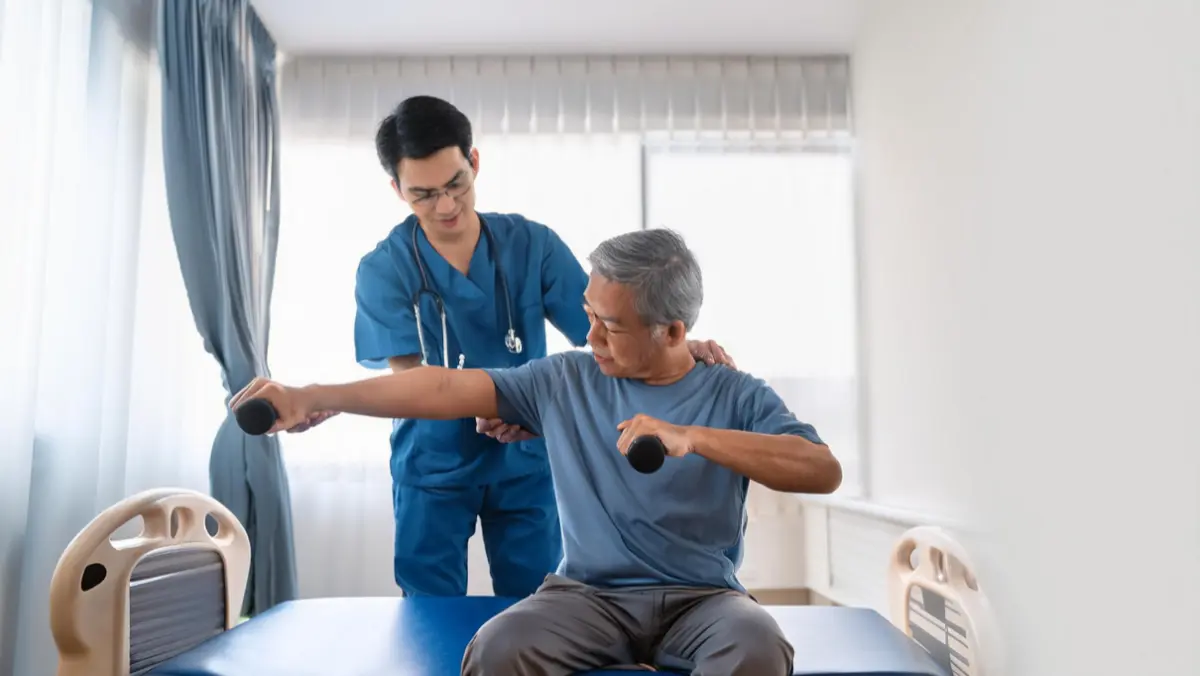
  • Physiotherapy: Targeted physical therapy to restore movement, strength, balance, and coordination following neurological events or musculoskeletal conditions.
  • Occupational Therapy: Enabling individuals to regain the skills needed for everyday activities — from dressing and cooking to returning to work — through adaptive strategies and rehabilitation exercises.

Elderly Rehabilitation

Elderly rehabilitation provides compassionate, dignity-preserving care for older adults recovering from illness, surgery, or managing age-related conditions.

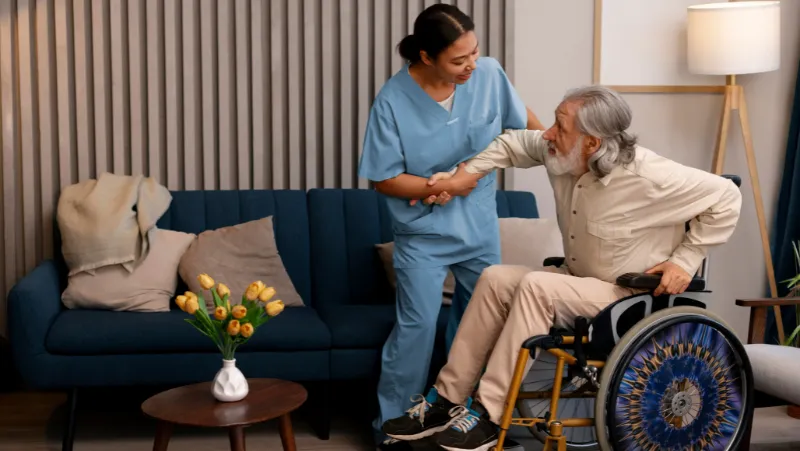
  • Mobility and Physical Care: Physiotherapy and exercise programmes designed to improve strength, balance, and mobility, reducing fall risk and enabling greater independence in daily living.
  • Assisted Living Support: Residential care environments that provide the right level of support — from light assistance to comprehensive nursing care — in a warm, home-like setting.
  • Home Healthcare Services: Professional nursing, physiotherapy, and personal care delivered in the comfort of the patient's own home, minimising disruption while ensuring high-quality medical oversight.
  • Post-Hospital Recovery: Structured rehabilitation programmes that bridge the gap between hospital discharge and full independent living, reducing the risk of readmission and supporting a smooth recovery trajectory.

Top Rehabilitation centres in Chennai

Chennai is home to some of India's most respected rehabilitation centres, each offering specialised care across addiction recovery, mental health, neuro rehabilitation, and elderly care. Whether you are seeking help for yourself or a loved one, the following centres represent trusted destinations where professional expertise meets genuine compassion.

Oxford Senior Care

Oxford Senior Care provides rehabilitation and long-term support for elderly individuals in a safe and respectful environment. The centre is committed to preserving the dignity, comfort, and independence of every resident through expert clinical care and genuine human warmth.

Services: Elderly care · Dementia and Alzheimer's care · Physiotherapy · Nursing care · Assisted living · Palliative care

Best For: Senior citizens needing medical care, recovery support, or assisted living.

Why Choose: Oxford Senior Care focuses on dignity, comfort, safety, and the emotional well-being of older adults — ensuring every individual feels respected, supported, and at home.

Abhasa Rehabilitation & Wellness Centre 

Abhasa is a well-known centre for treating addiction and mental health problems in a safe, peaceful environment. It focuses on holistic recovery by integrating medical care with emotional support, enabling individuals and their families to regain strength, stability, and long-term confidence in life.

Services: Detoxification · Counselling · Relapse prevention · Depression and anxiety treatment · Family therapy · Aftercare support

Best For: People recovering from alcohol or drug addiction and those managing mental health conditions.

Why Choose: Abhasa provides holistic care with doctors, therapists, and family involvement working together — creating the foundation for genuine, long-term recovery.

Athma Hospitals

Athma Hospitals is a psychiatric and de-addiction hospital that offers structured medical care for mental health and addiction issues. With a team of expert psychiatrists and psychologists, it delivers clinical and therapeutic support for some of the most complex conditions.

Services: Psychiatric treatment · Detox · Medication management · Therapy for schizophrenia, bipolar disorder, OCD, and depression

Best For: Patients with severe mental health conditions or substance addiction requiring hospital-level medical care.

Why Choose: Athma Hospitals provides both medical treatment and psychological therapy under expert supervision — making it the right choice for those who need integrated, intensive care.

ReAble Rehabilitation Centre 

ReAble is focused on physical and neurological rehabilitation to help patients regain movement and independence. Using modern equipment and goal-based therapy, the centre empowers individuals to reclaim their lives after injury, illness, or neurological events.

Services: Stroke rehabilitation · Brain injury recovery · Spinal cord injury care · Physiotherapy · Occupational therapy · Speech therapy · Sports injury recovery

Best For: Patients recovering from injuries or neurological disorders who need specialised physical and functional rehabilitation.

Why Choose: ReAble uses modern equipment and goal-based therapy to restore physical function and independence — helping patients achieve the best possible outcomes.


Factors to Consider Before Choosing a Rehabilitation Centre

Selecting the right rehabilitation centre is one of the most important decisions you will make for yourself or a loved one. Beyond reputation, several practical and clinical factors should guide your choice.

  • Medical Expertise and Accreditation: Ensure the centre employs qualified, experienced professionals — psychiatrists, psychologists, neurologists, physiotherapists, and nursing staff — who are specifically trained in the relevant area of rehabilitation. 
  • Treatment Programmes and Approach: Assess whether the centre's programmes are evidence-based, personalised, and comprehensive. Be wary of one-size-fits-all approaches. The best centres will conduct a thorough initial assessment and develop a bespoke treatment plan aligned with the patient's specific condition, severity, goals, and background.
  • Facilities and Environment: The physical environment of a rehabilitation centre significantly impacts recovery outcomes. Look for clean, safe, well-maintained facilities with appropriate therapeutic spaces, comfortable accommodation, and a calm atmosphere that supports healing.
  • Family Involvement and Communication: Recovery is most successful when families are meaningfully involved. Enquire about the centre's family therapy programmes, communication policies, and how they keep loved ones informed and engaged throughout the treatment process.
  •  Aftercare and Relapse Prevention Support: The period following formal rehabilitation is one of the most vulnerable for patients. Strong aftercare programmes — including outpatient counselling, support groups, follow-up appointments, and relapse prevention planning — are essential for sustained recovery.
  • Cost, Location, and Accessibility: Treatment costs vary significantly across centres and programmes. Seek transparent, itemised cost information and enquire about insurance coverage, payment plans, or financial assistance options. Location accessibility — for both the patient and visiting family members — is also an important practical consideration.
  • Personalised Care Plans: Every patient is unique. The centre you choose should demonstrate a genuine commitment to understanding the individual — their history, their needs, their strengths, and their goals — and developing a care plan that reflects this. Ask how frequently plans are reviewed and updated in response to progress.


Benefits of Professional Rehabilitation

Choosing professional rehabilitation over informal or self-managed recovery delivers measurable advantages across every dimension of health and wellbeing.

  • Faster, More Complete Recovery: Structured medical and therapeutic intervention significantly accelerates recovery timelines compared to unsupported self-management, with more comprehensive outcomes across physical, cognitive, and emotional health.
  • Emotional Stability and Psychological Healing: Professional rehabilitation addresses the emotional and psychological roots of conditions — not just surface symptoms — helping individuals build genuine resilience, self-awareness, and emotional regulation skills.
  • Improved Independence and Quality of Life: By restoring physical function, developing coping strategies, and rebuilding social skills, rehabilitation directly enhances the patient's capacity for independent, fulfilling daily living.
  • Significantly Reduced Risk of Relapse: Structured treatment, relapse prevention education, and robust aftercare support dramatically reduce the likelihood of relapse into addiction or deterioration in mental or physical health following discharge.
  • Continuous Medical Supervision and Safety: Round-the-clock access to qualified medical and therapeutic professionals ensures that complications, setbacks, or emerging needs are identified and addressed promptly, keeping patients safe throughout recovery.
  • Reintegration into Family and Community Life: Rehabilitation programmes actively work to restore and strengthen relationships, rebuild social confidence, and prepare individuals for successful reintegration into their personal, professional, and community lives.

Conclusion

Rehabilitation plays a crucial role in helping individuals rebuild their lives after serious health challenges. It ensures that recovery is not limited to survival or basic healing, but extends to regaining independence, dignity, and quality of life. By combining medical expertise, therapeutic interventions, and emotional support, rehabilitation addresses the full spectrum of a patient’s needs.

Choosing the right rehabilitation centre is equally important, as it directly influences recovery outcomes and long-term wellbeing. With the right care environment, professional guidance, and continued aftercare support, individuals can achieve meaningful recovery and successfully reintegrate into their families and communities.


Frequently Asked Questions

Rehabilitation services aim to restore, improve, or maintain the functional abilities of individuals recovering from illness, surgery, or trauma. These services focus on increasing mobility, improving speech and cognitive skills, enhancing daily living activities, and supporting emotional well-being. By coordinating medical and therapeutic interventions, rehabilitation enables patients to regain independence and integrate back into their daily lives with improved safety and confidence.

Medical rehabilitation services involve clinical treatments and therapies designed to support recovery from physical injuries, neurological conditions, or surgeries. These services include physiotherapy, occupational therapy, speech therapy, pain management, and medical monitoring. Delivered under the supervision of healthcare professionals, medical rehabilitation aims to optimize healing, reduce disability, and help patients return to productive, independent living.

A common example of rehabilitation is stroke recovery. After a stroke, a patient may lose strength, balance, and speech ability. Rehabilitation includes physical therapy to regain movement, speech therapy for communication, and occupational therapy to relearn daily tasks. With consistent, guided intervention, many stroke survivors significantly improve their quality of life and regain independence through structured rehabilitation programs.
Our Services

Have a Question

Recent Packages

Diabetes profile, Liver function test, lipid profile & more

Recent Blogs

Families across India now choose trusted Patient Care at Home to deliver expert medical support, comfort, and healing every day.
Aging bodies heal better and move freely when physiotherapy for elderly is practised consistently with the right guided movements daily.
Professional medical care at home ensures comfort, recovery support, and personalized assistance through Home Care Nursing Service in Mogappair.

Frequently Asked Questions

Rehabilitation services aim to restore, improve, or maintain the functional abilities of individuals recovering from illness, surgery, or trauma. These services focus on increasing mobility, improving speech and cognitive skills, enhancing daily living activities, and supporting emotional well-being. By coordinating medical and therapeutic interventions, rehabilitation enables patients to regain independence and integrate back into their daily lives with improved safety and confidence.

Medical rehabilitation services involve clinical treatments and therapies designed to support recovery from physical injuries, neurological conditions, or surgeries. These services include physiotherapy, occupational therapy, speech therapy, pain management, and medical monitoring. Delivered under the supervision of healthcare professionals, medical rehabilitation aims to optimize healing, reduce disability, and help patients return to productive, independent living.

A common example of rehabilitation is stroke recovery. After a stroke, a patient may lose strength, balance, and speech ability. Rehabilitation includes physical therapy to regain movement, speech therapy for communication, and occupational therapy to relearn daily tasks. With consistent, guided intervention, many stroke survivors significantly improve their quality of life and regain independence through structured rehabilitation programs.