
Watching an aging parent or loved one need extra support can be both emotional and overwhelming. While many families worry that growing healthcare needs may require moving into a care facility, that isn’t always the case. With the right professional support, many older adults can continue living safely and comfortably in the place they know best—their own home.
Home health care for seniors brings skilled medical services and personalized daily assistance directly to the home, allowing older adults to receive high-quality care without disrupting their familiar routines or surroundings. Whether recovering after surgery, managing a chronic illness, or needing help with everyday activities, home-based care offers flexible support tailored to each individual’s unique needs.
Beyond medical treatment, home health care helps seniors maintain their quality of life, stay engaged in daily activities, and enjoy greater confidence while giving families valuable reassurance that their loved ones are receiving compassionate, professional care.
What Is Home Health Care for Seniors?
Home health care for seniors is a personalized healthcare service that provides professional medical and non-medical support in the comfort of an individual’s home. The primary goal is to help older adults remain as healthy, safe, and self-sufficient as possible while receiving care that adapts to their changing needs.
Unlike residential care facilities, home health care allows seniors to age in place, preserving familiar routines, personal independence, and emotional well-being. Care plans are customized according to the individual’s medical condition, mobility, recovery goals, and daily living requirements, ensuring support remains effective as health needs evolve.
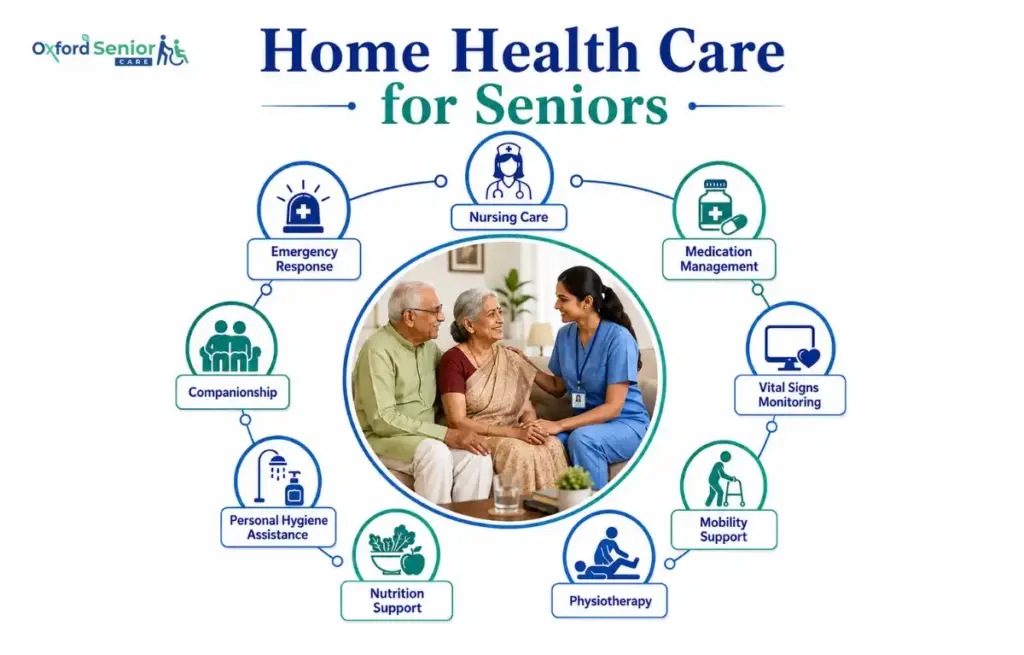
Home health care may include:
- Skilled nursing care for medication administration, wound care, injections, chronic disease monitoring, and regular health assessments.
- Rehabilitation therapies, including physiotherapy, occupational therapy, and speech therapy, to restore mobility, strength, and functional abilities.
- Personal care assistance with bathing, dressing, grooming, toileting, and safe mobility.
- Companion care that provides emotional support, conversation, and assistance with everyday routines.
- Chronic disease management through ongoing monitoring, patient education, and coordination with healthcare providers.
Rather than replacing family involvement, home health care strengthens it by combining professional expertise with the emotional comfort and familiarity of home.
Who Can Benefit from Home Health Care?
Home health care is designed for seniors with varying healthcare needs, from short-term recovery to long-term support. It can be particularly beneficial for older adults who wish to remain at home while receiving personalized care.
Home health care may be appropriate for seniors who:
- Are recovering after surgery, illness, or hospitalization.
- Live with chronic conditions such as diabetes, heart disease, arthritis, or respiratory disorders.
- Require medication management or regular health monitoring.
- Experience reduced mobility, balance problems, or frequent falls.
- Need rehabilitation following a stroke, fracture, or joint replacement.
- Have memory-related conditions such as dementia or Alzheimer’s disease.
- Live alone and would benefit from regular supervision and companionship.
- Require assistance with daily activities while maintaining as much independence as possible.
Because care is individualized, services can increase or decrease over time depending on changing healthcare needs, allowing seniors to receive the right level of support at every stage.
Why More Families Are Choosing Home Health Care
Families today increasingly recognize that quality care isn’t defined by where it’s provided—it’s defined by how well it supports the individual’s physical, emotional, and social well-being. Home health care has become a preferred option because it combines professional healthcare with the comfort and familiarity of home.
- Personalized Care That Adapts Over Time: Every senior has unique healthcare needs. Home health care professionals develop individualized care plans based on medical history, mobility, lifestyle, and personal goals. As those needs change, care plans can be adjusted to ensure continuous, appropriate support.
- Supporting Independence While Promoting Safety: Many seniors want to continue managing their daily routines for as long as possible. Home health care encourages active participation in everyday life while providing assistance with tasks that may have become difficult or unsafe to perform alone.
- More Comfortable Recovery at Home: Recovering in familiar surroundings often reduces stress and promotes emotional well-being. Skilled nursing, rehabilitation therapies, and regular monitoring delivered at home can support recovery while minimizing unnecessary travel to healthcare facilities.
- Greater Family Participation: Home-based care encourages open communication between healthcare professionals and family members. Regular updates and collaborative care planning help families stay informed and involved in important healthcare decisions.
- Peace of Mind for Everyone: Knowing that trained healthcare professionals are monitoring medications, recognizing early warning signs, and coordinating ongoing care provides valuable reassurance for both seniors and their loved ones.
Pro Tip: The most effective home health care plans are regularly reviewed and updated. Scheduling periodic care assessments ensures services continue meeting the senior’s evolving health goals and lifestyle needs.
Benefits of Home Health Care
Home health care offers far more than medical treatment. By combining skilled healthcare with personalized daily support, it helps seniors maintain better physical health, emotional well-being, and overall quality of life.
- Individualized One-to-One Care: Unlike hospitals or residential care settings where caregivers often support multiple individuals simultaneously, home health care focuses entirely on one person. This personalized attention allows caregivers to closely monitor health changes, tailor support, and build meaningful relationships based on trust and understanding.
- Better Medication Management: Managing multiple prescriptions can become increasingly challenging with age. Healthcare professionals help ensure medications are taken correctly and on schedule, reducing the risk of missed doses, medication errors, and avoidable complications.
- Reduced Risk of Hospital Readmissions: Routine health monitoring allows potential concerns to be identified early. Prompt intervention, follow-up care, and communication with healthcare providers may help prevent complications that could otherwise result in emergency hospital visits or readmissions.
- Improved Mobility and Physical Function: Physiotherapy and guided mobility exercises help seniors improve balance, strengthen muscles, increase flexibility, and regain confidence when performing everyday activities. Better mobility also contributes to a lower risk of falls and injuries.
- Nutritional Support and Healthy Living: Good nutrition plays an essential role in healthy aging. Caregivers can assist with meal planning, hydration reminders, and healthy eating habits while considering dietary restrictions associated with chronic conditions such as diabetes, hypertension, or heart disease.
- Emotional Well-being and Companionship: Regular interaction with compassionate caregivers provides meaningful conversation, emotional encouragement, and social engagement that may reduce feelings of loneliness and isolation while supporting overall mental well-being.
- Better Coordination of Care: Home healthcare professionals often work closely with physicians, therapists, and family caregivers. This collaborative approach improves communication, helps track recovery, and ensures everyone involved understands the senior’s care plan.
- Support for Family Caregivers: Professional home health care allows family members to share caregiving responsibilities while maintaining their own health, careers, and personal commitments. This balance helps reduce caregiver stress and creates more opportunities for meaningful family time.
Why Early Home Health Care Matters
Many families delay seeking professional support until a serious illness, hospitalization, or fall occurs. However, introducing home health care before a crisis develops can significantly improve long-term health outcomes and quality of life.
Early intervention allows healthcare professionals to recognize subtle changes in health, mobility, or daily functioning before they become major concerns. This proactive approach often helps seniors remain healthier and more confident while reducing avoidable medical complications.
Some important benefits of starting care early include:
- Helps seniors safely age in place for longer.
- Encourages consistent medication adherence.
- Supports mobility through rehabilitation and fall-prevention strategies.
- Promotes healthier nutrition and daily routines.
- Reduces caregiver burden through shared responsibilities.
- Allows healthcare professionals to identify concerns before they become emergencies.
- May lower the likelihood of preventable hospital admissions.
Pro Tip: Home health care works best as preventive support rather than emergency intervention. Starting services early often leads to better recovery, greater confidence, and improved long-term well-being.
Creating a Safe Home Environment
A safe home plays an important role in helping seniors remain active and confident. Even small modifications can reduce the risk of falls and make everyday activities easier.
Simple ways to improve home safety include:
- Install grab bars near toilets and inside showers.
- Improve lighting in hallways, staircases, and entrances.
- Remove loose rugs, electrical cords, and other tripping hazards.
- Use non-slip mats in bathrooms and kitchens.
- Arrange frequently used household items within easy reach.
- Ensure mobility aids such as walkers or canes are properly fitted.
- Keep emergency phone numbers easily accessible.
- Schedule regular home safety assessments if mobility needs change.
When combined with professional home healthcare services, these simple improvements create a safer environment that supports confidence, mobility, and long-term independence.
How Home Health Care Improves Quality of Life
The greatest value of home health care extends well beyond treating medical conditions. It enables seniors to continue enjoying daily life with greater confidence, comfort, and purpose while receiving personalized support that respects their preferences and routines.
| Area | Positive Impact |
| Physical Health | Supports medication management, rehabilitation, mobility improvement, and ongoing health monitoring. |
| Safety | Helps reduce fall risks, medication errors, and preventable health complications through professional supervision. |
| Emotional Well-being | Encourages companionship, meaningful social interaction, and emotional reassurance that may reduce loneliness. |
| Daily Living | Assists with routine activities while encouraging seniors to remain as active and involved as possible. |
| Family Relationships | Allows loved ones to spend more meaningful time together instead of focusing solely on caregiving responsibilities. |
When seniors feel respected, secure, and supported in their own homes, they are often more motivated to stay active, participate in rehabilitation, follow treatment plans, and continue enjoying the activities that bring purpose to everyday life.
Types of Home Health Care Services
Home health care includes a wide range of services that address medical treatment, rehabilitation, personal care, and emotional support. The combination of services varies according to each senior’s health condition, recovery goals, and level of assistance required.
| Service | How It Helps |
| Skilled Nursing Care | Provides medication administration, wound care, injections, chronic disease management, and routine health assessments. |
| Physiotherapy | Improves strength, flexibility, balance, mobility, and fall prevention while supporting recovery after illness or surgery. |
| Occupational Therapy | Helps seniors safely perform daily activities such as dressing, bathing, meal preparation, and using assistive devices. |
| Speech Therapy | Assists with communication difficulties and swallowing disorders that may occur after neurological conditions or stroke. |
| Personal Care Assistance | Supports bathing, grooming, dressing, toileting, and safe mobility while preserving dignity and comfort. |
| Companion Care | Provides conversation, emotional support, social engagement, and assistance with light household routines. |
Together, these services create a personalized care plan that supports healthier aging while allowing seniors to continue living where they feel most comfortable—their own home.
Signs a Senior May Need Home Health Care
Many families assume they’ll immediately recognize when a loved one needs additional support. In reality, the signs often develop gradually and are sometimes mistaken as a normal part of aging. Identifying these changes early allows seniors to receive timely care, helping prevent complications and maintain their quality of life.
Here are some common indicators that professional home health care may be beneficial.
- Difficulty Managing Daily Activities: Tasks such as bathing, dressing, preparing meals, using the bathroom, or moving safely around the home may become increasingly challenging with age. Professional caregivers can provide the right level of assistance while encouraging seniors to remain as active and involved as possible.
- Frequent Falls or Reduced Mobility: Poor balance, muscle weakness, or repeated falls should never be overlooked. Home healthcare professionals can assess mobility, recommend safety improvements, and provide rehabilitation therapies that help reduce fall risk and improve confidence.
- Missed Medications or Medical Appointments: Managing multiple prescriptions and follow-up appointments can become overwhelming. Medication reminders, health monitoring, and care coordination help reduce the risk of preventable complications caused by missed treatments.
- Recovery After Surgery or Hospitalization: The weeks following surgery, illness, or a hospital stay are often critical. Skilled nursing care, physiotherapy, and regular health assessments can support recovery, promote mobility, and reduce the likelihood of hospital readmission.
- Changes in Memory, Mood, or Behavior: Increasing forgetfulness, confusion, personality changes, or difficulty following familiar routines may indicate the need for additional supervision and structured support, particularly for seniors living with dementia or other cognitive conditions.
- Unintentional Weight Loss or Poor Nutrition: Noticeable weight loss, reduced appetite, dehydration, or difficulty preparing balanced meals can affect recovery and overall health. Home caregivers can assist with meal preparation, hydration reminders, and monitoring nutritional intake.
- Caregiver Fatigue: Sometimes the strongest indicator isn’t a change in the senior—it’s the exhaustion of the family caregiver. If caregiving responsibilities begin affecting physical health, emotional well-being, work, or family life, professional support can provide valuable relief while ensuring consistent, high-quality care.
Pro Tip: Don’t wait for a medical emergency before seeking support. Early home health care often helps seniors stay healthier, safer, and more confident while reducing stress for the entire family.
How to Choose the Right Home Health Care Provider
Selecting a home healthcare provider is about more than comparing services or costs. The right provider should deliver compassionate, person-centered care while building trust with both seniors and their families.
Home Health Care Provider Checklist
| What to Look For | Why It Matters |
| Licensed and qualified professionals | Ensures care is provided by trained nurses, therapists, and experienced caregivers. |
| Personalized care plans | Every senior has unique healthcare needs that require an individualized approach. |
| Comprehensive services | A provider offering medical, rehabilitative, and personal care can adapt as healthcare needs change. |
| Clear communication | Regular updates keep families informed and involved in important care decisions. |
| Flexible scheduling | Services should adjust as recovery progresses or health conditions evolve. |
| Transparent pricing | Clear explanations of costs help families plan confidently without unexpected expenses. |
| Positive reputation | Reviews, testimonials, and recommendations can provide valuable insight into service quality and reliability. |
Questions to Ask Before Making a Decision
Before choosing a provider, consider asking:
- Are caregivers licensed, trained, experienced, and background-verified?
- Can care plans be customized and reviewed regularly?
- What medical and non-medical services are available?
- How are emergencies or urgent health concerns handled?
- How will family members receive updates about the senior’s progress?
- Is there a dedicated care coordinator or primary point of contact?
- Are services available on weekends, holidays, or after normal business hours if needed?
Choosing a provider that values communication, compassion, and continuity of care often leads to better long-term outcomes and a more positive experience for everyone involved.
Home Health Care vs. Assisted Living vs. Nursing Homes
Every senior has different healthcare needs, lifestyle preferences, and levels of support. Understanding the differences between these care options can help families make informed decisions based on both current and future needs.
| Feature | Home Health Care | Assisted Living | Nursing Home |
| Living Environment | Own home | Residential community | Skilled nursing facility |
| Level of Independence | High | Moderate | Limited |
| Medical Care | Scheduled visits by healthcare professionals | Basic onsite support | 24-hour skilled nursing care |
| Daily Living Assistance | As needed | Included | Comprehensive assistance |
| Family Involvement | High | High | Moderate to High |
| Cost Flexibility | Pay only for the services required | Monthly residential fees | Generally higher due to continuous medical care |
| Best Suited For | Seniors who wish to age in place while receiving personalized care | Seniors needing daily assistance and social interaction | Seniors requiring continuous medical supervision or complex care |
Which Care Option May Be Right?
Home Health Care May Be the Best Choice If:
- The senior wants to remain in familiar surroundings.
- Medical needs can be safely managed through scheduled home visits.
- Maintaining independence and personal routines is a priority.
- Family members want to stay actively involved in care.
Assisted Living May Be Appropriate If:
- Daily assistance is needed, but continuous skilled nursing is not.
- The senior would benefit from a community setting with organized activities.
- Household responsibilities have become difficult to manage independently.
Nursing Home Care May Be Necessary If:
- Around-the-clock skilled nursing care is required.
- Complex medical conditions demand continuous supervision.
- Recovery or healthcare needs can no longer be safely managed at home.
Pro Tip: The best care option isn’t the one with the most services—it’s the one that best matches the senior’s medical needs, lifestyle preferences, and long-term goals.
Tips for Family Caregivers
Family caregivers play a vital role in supporting the health, comfort, and happiness of older adults. While caregiving can be incredibly rewarding, it can also become physically and emotionally demanding without the right support.
These practical strategies can help create a healthier caregiving experience for everyone involved.
- Encourage Independence: Offer assistance where necessary while allowing seniors to continue performing tasks they can safely manage on their own. Encouraging participation in daily routines helps preserve confidence, physical abilities, and a sense of purpose.
- Stay Organized: Maintain an easily accessible file containing medication lists, medical records, emergency contacts, healthcare provider information, and appointment schedules. Organized records improve communication between family members and healthcare professionals.
- Promote Physical and Social Activity: Encourage activities appropriate to the senior’s abilities, such as walking, stretching, hobbies, reading, family visits, or community programs. Staying physically and socially active contributes to better overall well-being.
- Monitor Health Changes: Small changes in appetite, sleep patterns, mood, mobility, or memory may signal developing health concerns. Reporting these changes early allows healthcare professionals to adjust care before problems become more serious.
- Create a Safe Home Environment: Regularly check for new fall hazards, ensure mobility aids remain in good condition, and review home safety measures as health needs evolve. Preventive steps can significantly reduce the risk of injuries.
- Remember to Care for Yourself: Caregivers also need support. Taking regular breaks, accepting help from family members, and using professional home healthcare services can help prevent burnout and make caregiving more sustainable over the long term.
Pro Tip: The strongest care plans are built on partnership. When families, healthcare professionals, and seniors communicate openly, care becomes more consistent, personalized, and effective.
Conclusion
Choosing home health care is about much more than arranging professional support—it’s about helping older adults continue living safely, comfortably, and with dignity in the place they know best. By bringing skilled medical care, rehabilitation, and personalized daily assistance into the home, seniors can receive the support they need without giving up the routines, relationships, and sense of familiarity that contribute to their overall well-being.
For families, home health care provides reassurance that their loved ones are receiving compassionate, high-quality care while allowing them to remain active participants in the caregiving journey. Whether the goal is recovering after surgery, managing a chronic condition, or receiving extra help with everyday tasks, home-based care offers flexible solutions that adapt as healthcare needs change.
Aging at home is about more than remaining in a familiar place—it’s about preserving dignity, encouraging confidence, and supporting a fulfilling lifestyle. With the right combination of professional expertise, family involvement, and a safe home environment, seniors can continue enjoying meaningful, active lives while receiving the personalized care they deserve.