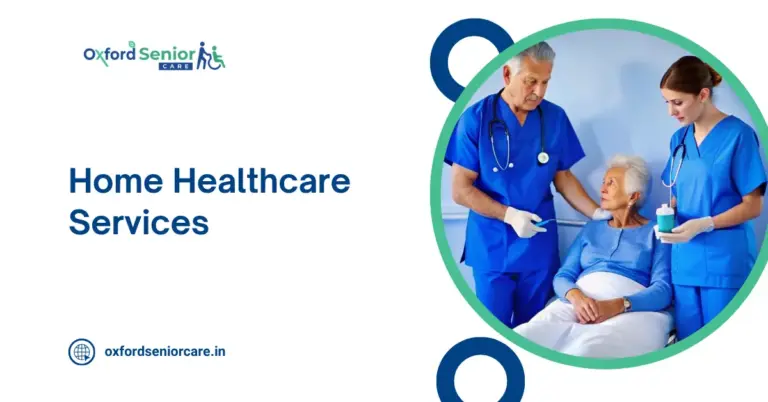
Growing old is a natural part of life, but it should never mean losing comfort, independence, or dignity. For many elderly individuals, leaving their home to stay in a hospital or care facility feels overwhelming and emotionally difficult. This is exactly why home healthcare services have become one of the most trusted and chosen solutions for families across India today. These services bring professional medical care, personal assistance, and emotional support directly to the doorstep of seniors, allowing them to heal, recover, and live well inside the familiar surroundings of their own home.
What Are Home Healthcare Services for Seniors?
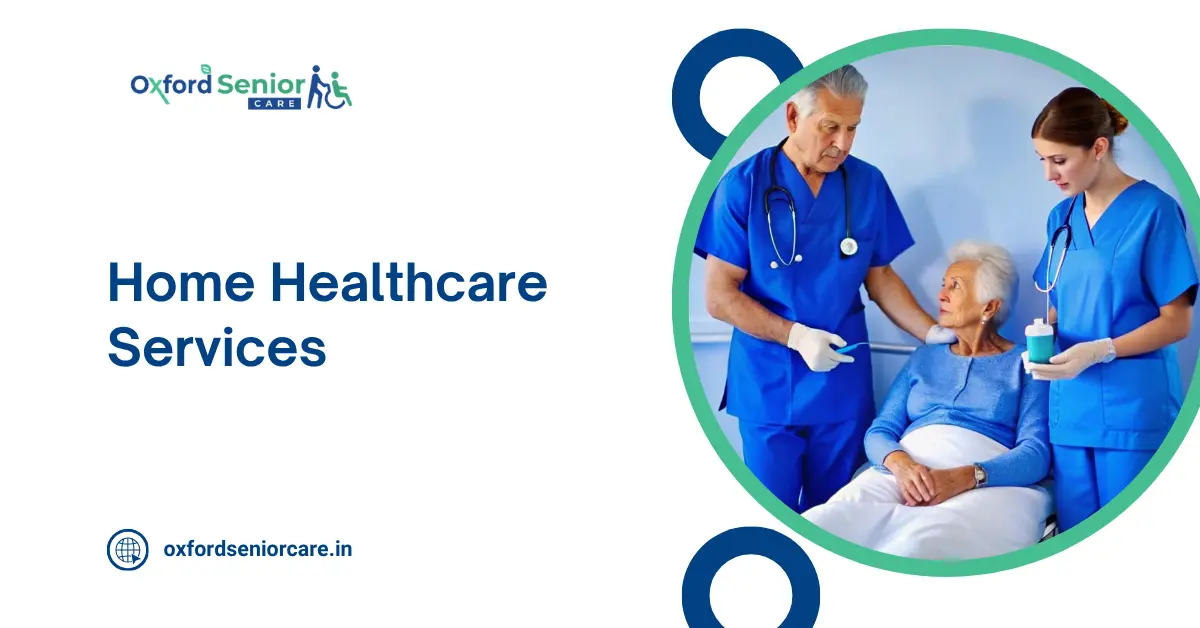
- Home healthcare services are a wide range of medical and personal support services provided to elderly individuals inside their own homes. These services are delivered by trained professionals including doctors, nurses, physiotherapists, dieticians, and caregivers who visit the senior’s home on a scheduled or round-the-clock basis. The goal is to provide the same quality of care that a hospital or clinic would offer but in a more comfortable, personal, and stress-free environment that promotes faster healing and better mental wellbeing for the elderly patient.
- Home healthcare services are not just for sick or bedridden seniors. They are also ideal for elderly individuals who live alone, need help with daily activities, require monitoring of chronic conditions, or are recovering from a recent surgery or hospital stay.
Why Home Healthcare Services Are the Right Choice for Seniors
- The decision to bring healthcare home instead of moving a senior to a facility is one of the most compassionate and practical choices a family can make. Research consistently shows that elderly patients who receive care in their own homes tend to recover faster, experience less anxiety and depression, and have a significantly better quality of life compared to those in institutional settings.
- Being surrounded by familiar people, personal belongings, favourite foods, and loved ones creates a deeply comforting environment that no hospital or care home can replicate. Home healthcare services respect the senior’s routine, preferences, and emotional needs while still delivering professional medical attention at the highest standard.
8 Main Types of Home Healthcare Services for Seniors
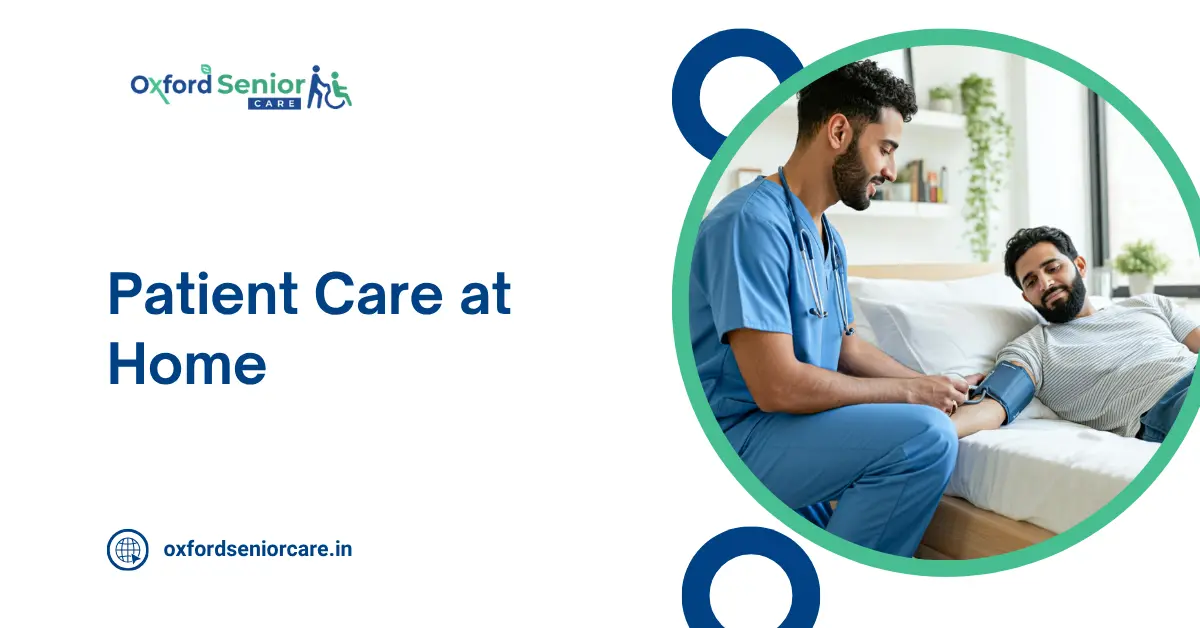
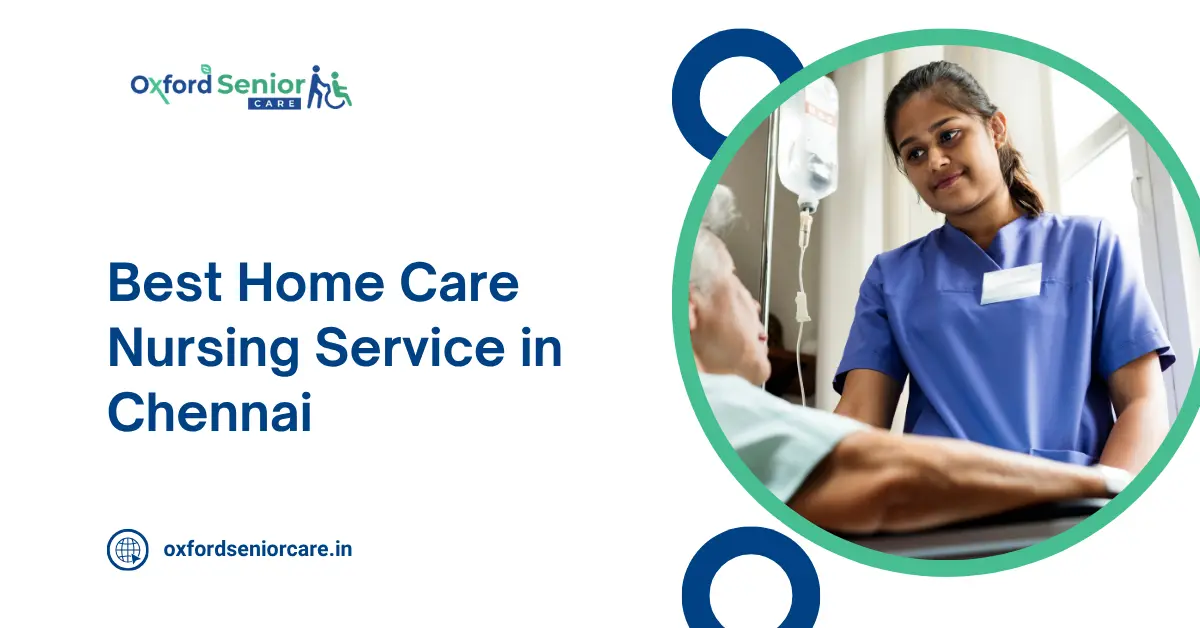
- Skilled Nursing Care: A registered nurse visits the senior’s home to perform medical procedures that require clinical training. This includes wound dressing and cleaning, injecting medications, monitoring vital signs like blood pressure and blood sugar, managing IV drips, and educating the family on how to care for the patient between visits. Skilled nursing care is particularly valuable for seniors recovering from surgery, managing diabetes, or dealing with post-stroke complications.
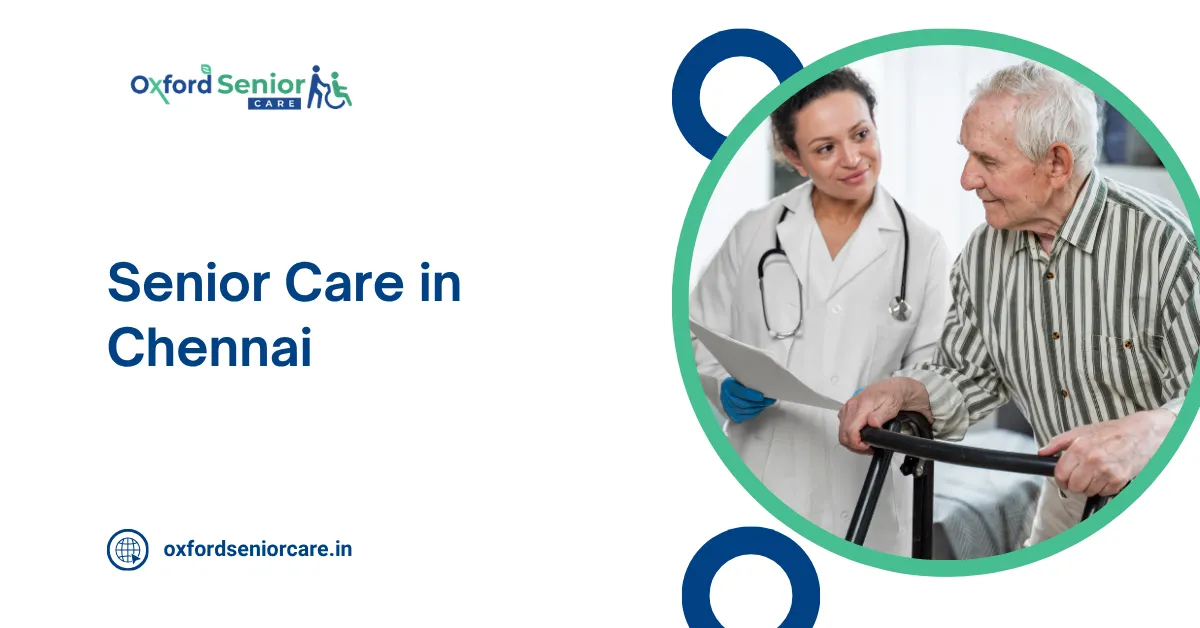
- Physiotherapy at Home: A trained physiotherapist visits the home and designs a customised exercise and movement programme for the senior. This is essential for patients recovering from joint replacement surgeries, fractures, stroke, or neurological conditions. Home physiotherapy helps restore strength, balance, and flexibility in a safe environment without the risk of travel or falls that could happen during trips to a clinic.
- Personal Care and Daily Living: Assistance Many seniors need help with everyday tasks that have become physically difficult due to age or illness. Personal care services include bathing, grooming, dressing, toileting, oral hygiene, and safe movement within the home. Caregivers who provide these services are trained to do so with sensitivity and complete respect for the senior’s dignity and privacy at all times.
- Medical Equipment and Monitoring at Home: Home healthcare providers arrange and manage medical equipment inside the senior’s home. This includes oxygen concentrators, hospital beds, wheelchairs, blood pressure monitors, pulse oximeters, and glucose monitoring devices. Trained technicians set up the equipment correctly and teach family members how to use and maintain it safely for ongoing home care needs.
- Post-Surgical Recovery Care: After a major surgery like hip replacement, knee replacement, cardiac bypass, or abdominal surgery, seniors need careful monitoring and wound care during recovery. Home healthcare teams manage the entire post-surgical recovery process at home including wound care, medication management, vital sign monitoring, and physiotherapy so the patient can recover safely without an extended hospital stay.
- Dementia and Alzheimer’s Care: Caring for a senior with dementia or Alzheimer’s disease requires specialised training, patience, and a consistent daily routine. Home healthcare professionals trained in memory care provide structured activity programmes, safety monitoring, medication reminders, and behavioural support to help the senior feel calm and secure in their home environment while reducing the burden on family caregivers who may also need rest and support.
- Palliative and End-of-Life Care: For seniors with serious or terminal illnesses, palliative home care focuses on managing pain, improving comfort, and providing emotional and spiritual support to both the patient and the family. This type of care allows the senior to spend their final days or weeks surrounded by loved ones in the peaceful environment of their own home rather than in a clinical hospital setting. Palliative care teams include doctors, nurses, counsellors, and social workers who coordinate all aspects of comfort-focused care.
- Nutrition and Diet Support: A qualified dietician working as part of the home healthcare team assesses the senior’s nutritional needs based on their medical conditions, medications, food preferences, and physical health. They create personalized daily meal plans that ensure the senior receives the right balance of nutrients to support healing, manage chronic conditions like diabetes or high blood pressure, maintain healthy weight, and support overall energy and immunity levels.
How to Choose the Right Home Healthcare Services Provider
- Selecting the right home healthcare provider for your elderly family member is one of the most important decisions you will make. Here are the key factors to evaluate carefully before making a choice.
- Check Credentials and Licensing: Always verify that the home healthcare agency is registered and licensed with the appropriate state medical or health authority. Licensed agencies must meet specific standards for staff training, service quality, and patient safety protocols.
- Review the Staff Qualifications: Ask about the qualifications, training, and experience of the nurses, physiotherapists, and caregivers who will be assigned to your family member. Reputable agencies conduct background checks on all staff members and ensure they are trained in elderly care, emergency response, and patient communication.
- Understanding the Care Plan Process: A trustworthy home healthcare provider always begins with a thorough assessment of the senior’s medical condition, daily needs, and personal preferences. Based on this assessment, they create a detailed and individualised care plan that is reviewed and updated regularly as the senior’s condition changes.
- Evaluate Communication and Reporting: The agency should provide regular updates to the family about the senior’s condition, progress, and any changes in health. Clear and open communication between the care team and the family is essential for good outcomes and peace of mind.
- Check Availability and Emergency Support: Find out whether the agency offers 24-hour support and emergency response. Seniors may need urgent medical attention at any time of day or night, and knowing that help is just one phone call away gives families enormous confidence and peace of mind.
Benefits of Home Healthcare Services for Seniors
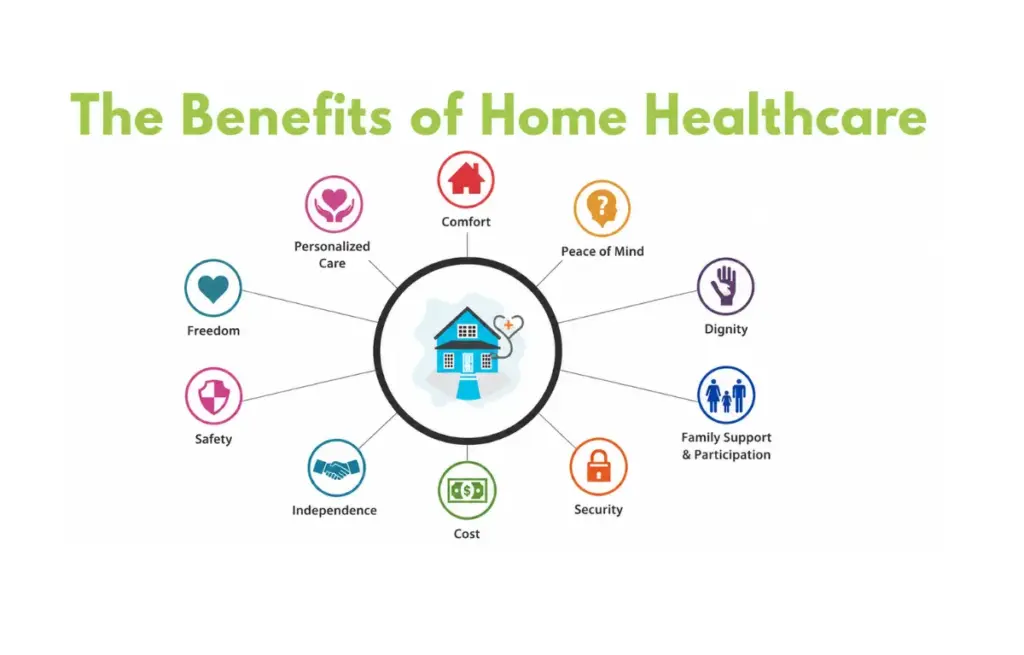
- Faster Recovery in a Comfortable Setting: Studies consistently show that patients recover faster at home compared to hospital or care facility settings. The familiar environment reduces stress, improves sleep quality, encourages appetite, and creates a positive emotional state that directly supports physical healing and recovery.
- Personalised One-on-One Attention: In a hospital, nurses and doctors care for multiple patients at the same time. At home, the healthcare professional gives their complete and undivided attention to one patient during every visit. This focused attention results in better observation, earlier detection of problems, and more personalised care adjustments.
- Reduced Risk of Hospital-Acquired Infections: Hospitals are places where antibiotic-resistant bacteria and healthcare-associated infections are a real and serious risk, especially for elderly patients with weakened immune systems. Receiving care at home significantly reduces this risk and keeps the senior in a clean and safe environment that they are already familiar with.
- Emotional and Mental Wellbeing: Staying connected to family, friends, pets, and personal routines has a profound positive effect on the mental health of elderly individuals. Home healthcare services support not just physical health but also emotional wellbeing by allowing seniors to maintain their social connections and sense of independence while still receiving all the medical care they need.
- Family Involvement and Peace of Mind Home: healthcare services naturally involve the family in the care process. Family members can observe, participate, and stay closely connected to the wellbeing of their elderly loved one. This involvement reduces anxiety for both the senior and the family and creates a collaborative and trusting care environment.
Warning Signs That Your Senior Family Member Needs Home Healthcare Services
- Frequent Falls or Balance Problems: If an elderly family member has fallen more than once or walks with visible instability, professional monitoring and physiotherapy at home can prevent serious injuries and provide a safer daily routine.
- Difficulty Managing Medications: When a senior forgets to take medications, takes the wrong dose, or becomes confused about their medication schedule, a home nurse can organise and supervise the entire medication management process to ensure safety and consistency.
- Worsening of Chronic Conditions: When conditions like diabetes, heart disease, COPD, or kidney disease show signs of getting worse despite regular outpatient treatment, home healthcare monitoring can catch changes early and prevent emergency hospitalisations.
- Sudden Weight Loss or Poor Nutrition: Unintended weight loss, loss of appetite, or visible signs of malnutrition in an elderly person indicate that they need professional nutritional support and daily meal assistance that home healthcare services can provide effectively.
- Social Withdrawal and Depression: If a senior has stopped engaging with family, lost interest in daily activities, or shows signs of sadness and isolation, a compassionate home caregiver can provide companionship, stimulation, and emotional support alongside medical care.
Conclusion
Home healthcare services for seniors represent one of the most compassionate, effective, and empowering ways to care for elderly loved ones without removing them from the comfort and familiarity of their own home. With the right team of professionals providing skilled nursing, physiotherapy, personal care, nutrition support, and emotional companionship, seniors can maintain their dignity, independence, and quality of life through every stage of aging. If you have an elderly family member who needs medical support or daily assistance, reach out to a trusted home healthcare provider today and take the first meaningful step toward giving them the safe, comfortable, and loving care they truly deserve.