Healthcare is no longer confined to hospitals and clinics. Advances in medical technology, trained caregivers, telemedicine services, and personalized healthcare plans have transformed homes into effective recovery environments for millions of patients worldwide.
Whether someone is recovering from surgery, managing a chronic illness, receiving rehabilitation after a stroke, coping with disability, or requiring palliative care, patient care at home provides a unique blend of professional healthcare and emotional comfort.
Unlike hospitals, where patients often face unfamiliar surroundings and rigid schedules, home care allows individuals to heal in a place filled with familiarity, independence, and family support. Research and patient experiences consistently show that a comfortable environment can positively influence recovery outcomes, emotional well-being, and treatment compliance.
However, successful patient care at home requires much more than compassion. It demands careful planning, proper hygiene, medication management, safety precautions, nutrition support, mobility assistance, and continuous monitoring.
“Consider a 72-year-old patient recovering after hip replacement surgery. Instead of spending weeks in a healthcare facility, the patient receives physiotherapy, medication management, nutritional support, and family assistance at home. This approach often improves comfort while promoting faster rehabilitation.”
Expert Insight
Healthcare professionals often observe that patients recovering at home show improved emotional resilience and treatment compliance because familiar surroundings reduce stress hormones that may interfere with healing.
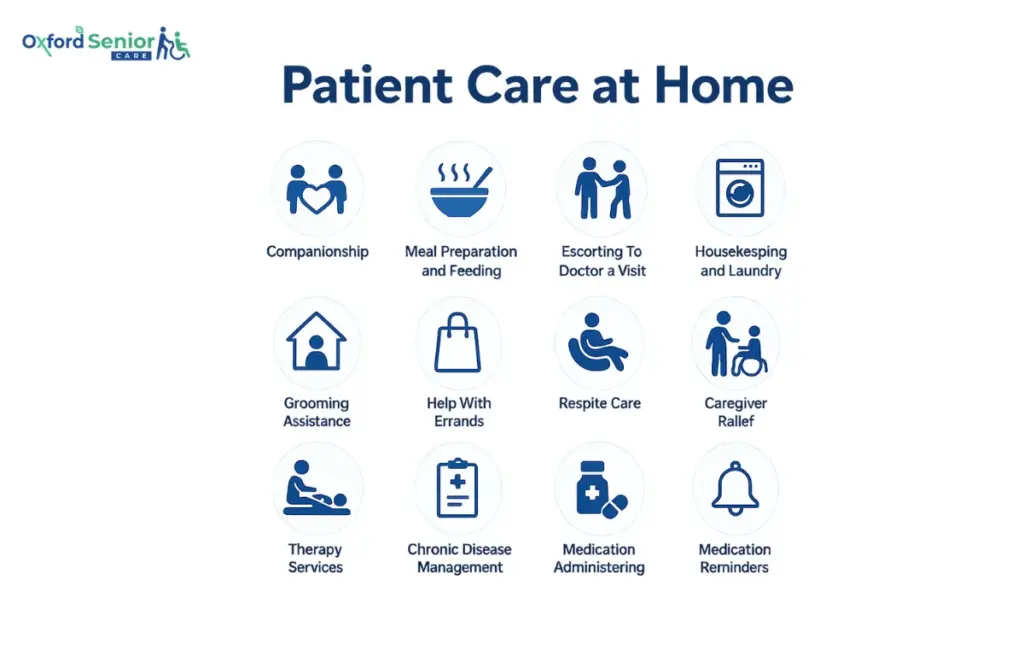
Understanding Patient Care at Home
Patient care at home refers to medical and non-medical assistance provided to individuals in their residence rather than in a hospital or long-term care facility. The objective is to help patients recover safely, maintain independence, manage health conditions effectively, and improve overall quality of life.
| Patient Category | Home Care Requirement |
| Post-surgery patients | Wound care, medication management, mobility support |
| Senior citizens | Daily assistance, fall prevention, health monitoring |
| Chronic disease patients | Long-term disease management |
| Stroke survivors | Rehabilitation and physiotherapy |
| Disabled individuals | Personal care and mobility assistance |
| Terminally ill patients | Comfort-focused palliative care |
The Evolution of Home Healthcare
Historically, healthcare was primarily delivered at home. Before hospitals became widespread, doctors frequently visited patients in their residences. Modern healthcare is now witnessing a return to home-based treatment due to rising healthcare costs, aging populations, and technological advancements.
Today, home healthcare can include:
• Nursing services – Qualified nurses provide medication administration, wound care, injections, and routine health monitoring.
• Physiotherapy – Rehabilitation exercises help patients regain strength, mobility, balance, and independence.
• Telemedicine consultations – Virtual appointments allow healthcare providers to assess patients remotely.
• Medication administration – Proper medication management reduces treatment errors and improves adherence.
• Diagnostic testing – Certain laboratory tests and health assessments can be performed at home.
• Post-operative monitoring – Healthcare professionals monitor recovery progress following surgical procedures.
• Palliative and hospice support – Specialized care focuses on comfort, dignity, and symptom management.
Why Patient Care at Home Matters
Physical Benefits
Patients often experience better recovery outcomes when cared for in familiar surroundings.
• Faster recovery in familiar surroundings – A comfortable environment can reduce stress and support the body’s natural healing processes.
• Reduced risk of hospital-acquired infections – Remaining at home lowers exposure to infections commonly found in healthcare facilities.
• Better sleep and comfort – Familiar settings promote restful sleep, which is essential for healing.
• Personalized treatment plans – Care can be customized according to the patient’s individual needs and lifestyle.
• Improved mobility and independence – Patients are encouraged to remain active within a safe and familiar environment.
Emotional Benefits
Healing is not only physical but also emotional.
• Reduced anxiety and stress – Familiar surroundings and loved ones provide reassurance during recovery.
• Continuous family support – Emotional encouragement from family members can improve motivation and well-being.
• Greater sense of dignity – Receiving care at home often helps patients maintain privacy and independence.
• Improved mental well-being – Reduced isolation and stronger social connections support emotional health.
Financial Benefits
Home healthcare can also reduce the economic burden of treatment.
• Lower hospitalization expenses – Home care is often more cost-effective than prolonged hospital stays.
• Reduced transportation costs – Frequent travel to healthcare facilities becomes less necessary.
• Fewer extended hospital stays – Patients can continue recovering at home once medically stable.
• Efficient use of healthcare resources – Home-based care helps reduce pressure on hospitals and healthcare systems.
Core Components of Effective Patient Care at Home
| Component | Purpose |
| Medical supervision | Monitoring health conditions |
| Medication management | Ensuring proper treatment adherence |
| Personal hygiene care | Preventing infections |
| Nutrition support | Promoting healing and strength |
| Mobility assistance | Maintaining physical function |
| Emotional support | Improving mental well-being |
| Safety management | Preventing accidents and injuries |
Common Challenges in Patient Care at Home
• Caregiver fatigue – Long-term caregiving can become physically and emotionally demanding.
• Limited medical equipment – Certain treatments still require hospital facilities.
• Emergency response delays – Immediate medical support may not always be available.
• Financial planning – Extended home care services can accumulate costs over time.
The Step-by-Step Procedure for Patient Care at Home
Step 1: Initial Health Assessment
Before beginning home care:
• Understand the patient’s diagnosis – Knowing the medical condition helps caregivers make informed decisions.
• Review doctor’s recommendations – Medical instructions provide the foundation for safe and effective care.
• Assess mobility limitations – Understanding physical restrictions helps prevent falls and injuries.
• Identify special medical needs – Some patients may require oxygen support, feeding assistance, or specialized equipment.
• Evaluate home safety – The environment should be adapted to support recovery and reduce hazards.
Step 2: Develop a Care Plan
A structured care plan improves consistency and quality of care.
• Medication schedule – Ensures medicines are taken correctly and on time.
• Dietary requirements – Proper nutrition supports healing and overall health.
• Exercise recommendations – Appropriate physical activity helps maintain mobility and recovery.
• Medical appointments – Regular follow-ups allow healthcare providers to monitor progress.
• Emergency contacts – Quick access to help is crucial during urgent situations.
• Daily care routines – Consistent schedules improve treatment adherence and patient comfort.
Step 3: Prepare the Home Environment
Creating a recovery-friendly environment enhances safety and comfort.
• Removing obstacles – Reduces the risk of trips and falls.
• Improving lighting – Good visibility supports safe movement around the home.
• Installing support rails – Provides additional stability for patients with balance difficulties.
• Maintaining room ventilation – Fresh air contributes to comfort and respiratory health.
• Keeping essential supplies accessible – Important items should always be within easy reach.
Step 4: Daily Monitoring
Regular monitoring helps identify potential complications early.
• Temperature – Helps detect infections and illness progression.
• Blood pressure – Monitors cardiovascular health.
• Blood sugar levels – Particularly important for diabetic patients.
• Heart rate – Provides insight into overall health status.
• Oxygen levels – Helps identify respiratory concerns.
• Pain levels – Monitoring discomfort allows timely treatment adjustments.
Patient Hygiene: The Foundation of Safe Home Care
One of the most critical aspects of patient care at home is maintaining proper hygiene. Good hygiene practices help prevent infections, improve patient comfort, protect caregivers, and promote faster recovery. Even minor lapses in cleanliness can lead to complications, especially for elderly individuals, post-surgical patients, and those with weakened immune systems.
| Area of Hygiene | Recommended Practice |
| Hand hygiene | Wash hands before and after patient contact |
| Oral care | Brush teeth and clean the mouth regularly |
| Bathing | Maintain routine body cleanliness |
| Clothing | Change into clean clothes daily |
| Bed linens | Replace and wash regularly |
| Wound care | Follow sterile dressing procedures |
| Medical equipment | Clean and disinfect frequently |
Hand Hygiene Procedure
Hand hygiene remains one of the simplest and most effective ways to prevent infections.
1. Wet hands with clean water.
2. Apply soap thoroughly.
3. Rub hands together for at least 20 seconds.
4. Clean between fingers and under nails.
5. Rinse thoroughly.
6. Dry using a clean towel.
7. Use hand sanitizer when soap and water are unavailable.
Age-Wise Home Care Needs
Healthcare needs vary significantly depending on age. Understanding these differences helps provide more personalized and effective care.
| Age Group | Primary Care Focus |
| Children | Medication supervision and nutrition |
| Adults | Recovery and disease management |
| 60–75 Years | Mobility support and chronic condition monitoring |
| 75+ Years | Fall prevention and assistance with daily activities |
- Children: Children often require close supervision because they may not fully understand treatment instructions. Special attention should be given to medication schedules, nutrition, hydration, and emotional comfort.
- Adults: Adult patients usually focus on recovery from illness, injury, or surgery while balancing daily responsibilities and maintaining independence.
- 60–75 Years: This age group frequently experiences chronic conditions such as diabetes, hypertension, arthritis, or heart disease that require regular monitoring and lifestyle management.
- 75+ Years: Older adults may need assistance with mobility, personal hygiene, medication management, and fall prevention due to age-related physical limitations.
Medication Management Procedure
Medication errors are among the most common risks in home healthcare. Missing doses, taking the wrong medicine, or incorrect timing can significantly affect recovery.
Best Practices for Medication Safety
• Follow prescribed schedules strictly – Taking medicines at the correct time ensures maximum effectiveness.
• Use medication organizers – Pill boxes help prevent confusion and missed doses.
• Maintain a medication log – Written records make it easier to track treatment adherence.
• Check expiry dates regularly – Expired medications may lose effectiveness or become unsafe.
• Never alter dosages without medical advice – Changes should only be made under professional supervision.
Medication Safety Checklist
| Medication Safety Checklist | Status |
| Correct medication identified | ✓ |
| Correct dosage confirmed | ✓ |
| Correct timing followed | ✓ |
| Doctor instructions reviewed | ✓ |
| Side effects monitored | ✓ |
Nutrition and Hydration in Home Care
Recovery depends heavily on proper nutrition. The body requires adequate nutrients to repair tissues, fight infections, restore strength, and maintain overall health.
Essential Nutritional Elements
| Nutrient | Role in Recovery |
| Protein | Tissue repair and muscle maintenance |
| Carbohydrates | Energy production |
| Healthy fats | Cell repair and brain function |
| Vitamins | Immune system support |
| Minerals | Bone health and healing |
| Water | Hydration and circulation |
Nutrition Tips
• Offer balanced meals – A variety of nutrients supports overall healing and wellness.
• Encourage adequate fluid intake – Proper hydration improves circulation and body function.
• Follow dietary restrictions – Certain conditions require specialized nutrition plans.
• Monitor appetite changes – Reduced appetite may indicate underlying complications.
• Include protein-rich foods – Protein helps rebuild damaged tissues and maintain muscle mass.
• Provide smaller frequent meals if necessary – This can improve food intake in patients with reduced appetite.
Mobility and Physical Activity
Movement plays a vital role in recovery. Long periods of inactivity can negatively affect both physical and mental health.
Prolonged inactivity can lead to:
• Muscle weakness – Muscles lose strength when they are not used regularly.
• Blood clots – Reduced circulation increases clot formation risk.
• Joint stiffness – Immobility can limit flexibility and movement.
• Pressure sores – Continuous pressure on one area can damage skin and tissues.
• Reduced independence – Physical decline can make daily activities more difficult.
Safe Mobility Practices
• Assist during walking if needed – Support helps prevent falls while encouraging movement.
• Use mobility aids properly – Walkers, canes, and wheelchairs improve safety.
• Encourage gentle exercises – Light activity helps maintain strength and flexibility.
• Follow physiotherapy recommendations – Professional guidance ensures exercises are appropriate.
• Avoid sudden movements – Gradual movement reduces dizziness and injury risk.
Common Medical Equipment Used at Home
Modern healthcare equipment enables effective monitoring and treatment within the home environment.
| Equipment | Purpose |
| Wheelchair | Mobility support |
| Walker | Walking assistance |
| Hospital bed | Comfort and positioning |
| Blood pressure monitor | Health monitoring |
| Pulse oximeter | Oxygen monitoring |
| Glucometer | Blood sugar tracking |
| Nebulizer | Respiratory treatment |
Each piece of equipment should be used according to healthcare provider instructions to ensure safety and accuracy.
Essential Precautions in Patient Care at Home
Precautions help minimize risks and create a safer recovery environment.
Infection Prevention Precautions
• Wash hands frequently – Hand hygiene remains the most effective infection-control measure.
• Use gloves when necessary – Gloves protect both patients and caregivers during certain procedures.
• Dispose of medical waste safely – Proper disposal prevents contamination and disease spread.
• Maintain a clean environment – Clean surroundings reduce bacterial and viral exposure.
• Follow wound-care protocols – Correct dressing techniques promote healing and prevent infection.
Fall Prevention Precautions
Falls are among the leading causes of injury in home healthcare settings.
• Remove loose rugs – Rugs can easily cause trips and falls.
• Install grab bars – Support rails improve stability in bathrooms and hallways.
• Keep floors dry – Wet surfaces increase slipping risks.
• Ensure proper lighting – Well-lit areas help patients move safely.
• Use non-slip footwear – Appropriate shoes improve balance and traction.
Medication Precautions
• Store medicines safely – Proper storage preserves effectiveness and prevents accidental misuse.
• Keep medications labeled – Clear labels reduce medication errors.
• Avoid self-medication – Unapproved medicines may interact negatively with prescribed treatments.
• Monitor adverse reactions – Early detection of side effects allows timely medical intervention.
Emergency Preparedness Precautions
Unexpected situations can arise even during stable recovery periods.
• Keep emergency numbers accessible – Quick contact can save valuable time during emergencies.
• Maintain updated medical records – Accurate information helps healthcare providers respond effectively.
• Know warning signs requiring urgent care – Early recognition improves outcomes.
• Have transportation arrangements ready – Emergency travel plans prevent delays in receiving treatment.
Warning Signs That Require Immediate Medical Attention
Caregivers should never ignore serious symptoms.
Seek immediate medical assistance if the patient experiences:
• Difficulty breathing – May indicate respiratory or cardiac emergencies.
• Sudden chest pain – Could signal a heart-related condition.
• Severe bleeding – Requires urgent intervention to prevent complications.
• Loss of consciousness – May indicate neurological or cardiovascular problems.
• High fever – Persistent fever can suggest serious infection.
• Sudden confusion – Changes in mental status require prompt evaluation.
• Seizures – Immediate medical attention is necessary.
• Rapid deterioration in condition – Any significant decline should be assessed urgently.
The Role of Family Caregivers
Behind every successful home care journey is often a dedicated family caregiver. While healthcare professionals provide medical expertise, family members contribute emotional support, companionship, and daily assistance that significantly improve the patient’s quality of life.
Family caregivers serve as the bridge between the patient and healthcare providers, ensuring treatment plans are followed consistently and changes in health are reported promptly.
Their responsibilities may include:
• Assisting with daily activities – Tasks such as bathing, dressing, grooming, and eating help maintain the patient’s dignity and comfort.
• Medication reminders – Timely reminders reduce the risk of missed doses and medication errors.
• Emotional support – Compassionate conversations and companionship help reduce stress and loneliness.
• Appointment coordination – Organizing medical visits ensures continuity of care.
• Monitoring symptoms – Observing physical and emotional changes allows early detection of complications.
• Maintaining hygiene standards – Clean surroundings and personal hygiene reduce infection risks.
• Communicating with healthcare providers – Sharing observations helps professionals make informed treatment decisions.
The Importance of Emotional Support in Recovery
Healing extends beyond physical treatment. Emotional well-being plays a powerful role in recovery outcomes.
Patients receiving home care may experience:
• Anxiety about their condition
• Fear of dependency
• Frustration during recovery
• Social isolation
• Depression or emotional distress
Simple actions can make a meaningful difference:
• Encourage regular conversations.
• Involve patients in decision-making.
• Celebrate small recovery milestones.
• Maintain social connections.
• Respect personal independence whenever possible.
When patients feel emotionally supported, they often become more motivated to participate in treatment and rehabilitation programs.
Caregiver Well-Being Matters Too
While caregivers focus on patient needs, their own health is often overlooked. Long-term caregiving can be physically exhausting and emotionally demanding.
Common signs of caregiver burnout include:
• Persistent fatigue – Constant caregiving responsibilities can drain energy levels.
• Sleep disturbances – Stress may affect sleep quality and duration.
• Irritability – Emotional exhaustion often increases frustration and impatience.
• Anxiety – Continuous concern about the patient’s condition can become overwhelming.
• Loss of motivation – Burnout may reduce enthusiasm for daily responsibilities.
• Physical health issues – Chronic stress can negatively affect overall health.
Self-Care Strategies for Caregivers
To provide effective care, caregivers must also care for themselves.
• Take regular breaks – Short periods of rest help maintain physical and mental energy.
• Seek family support – Sharing responsibilities prevents excessive burden on one individual.
• Maintain healthy sleep habits – Adequate rest improves concentration and resilience.
• Exercise regularly – Physical activity helps manage stress and improve well-being.
• Join caregiver support groups – Connecting with others provides emotional encouragement and practical advice.
• Consult professionals when overwhelmed – Seeking guidance is a sign of strength, not weakness.
A healthy caregiver is better equipped to provide safe, compassionate, and consistent patient care.
Statistics Box
| Home Healthcare Trend | Insight |
| Aging Population | Increasing demand for home-based care |
| Chronic Diseases | Long-term management often occurs at home |
| Telemedicine Adoption | Expanding access to healthcare services |
| Recovery Preference | Many patients prefer healing in familiar surrounding |
Future Trends in Home Healthcare
Home healthcare is evolving rapidly due to advances in technology and changing healthcare needs. These innovations are making patient care at home safer, more efficient, and increasingly personalized.
Emerging trends include:
• Telemedicine consultations – Virtual appointments allow patients to receive medical advice without leaving home.
• Remote patient monitoring – Healthcare providers can track vital signs and health data from a distance.
• Wearable health devices – Smart watches and monitoring devices continuously assess important health indicators.
• AI-assisted health tracking – Artificial intelligence can identify patterns and detect potential health concerns early.
• Smart medication reminders – Automated alerts improve treatment adherence and reduce missed doses.
• Virtual rehabilitation programs – Online physiotherapy and rehabilitation sessions increase accessibility.
• Predictive healthcare analytics – Advanced data analysis helps anticipate complications before they become serious.
These innovations are transforming homes into connected healthcare environments capable of delivering high-quality care outside traditional medical facilities.
Daily Patient Care Checklist
Consistency is one of the foundations of effective home healthcare. A daily checklist helps caregivers stay organized and ensures important tasks are not overlooked.
| Task | Morning | Afternoon | Evening |
| Medication | ✓ | ✓ | ✓ |
| Vital signs monitoring | ✓ | — | ✓ |
| Hydration | ✓ | ✓ | ✓ |
| Personal hygiene | ✓ | — | ✓ |
| Mobility exercise | ✓ | ✓ | — |
| Nutrition | ✓ | ✓ | ✓ |
Reviewing this checklist daily helps maintain structure, improve treatment adherence, and support patient recovery.
Expert Insight: Why Home Care Is Becoming the Future of Healthcare
Healthcare experts increasingly recognize that recovery is influenced by much more than medication and medical procedures. Environmental comfort, emotional support, patient engagement, and personalized attention all contribute significantly to outcomes.
Home healthcare succeeds because it combines clinical care with human connection. Patients remain surrounded by familiar people, familiar routines, and familiar environments while still receiving professional support.
This patient-centered approach often leads to:
• Greater treatment adherence
• Better emotional well-being
• Higher patient satisfaction
• Improved recovery experiences
• Reduced healthcare costs
• Enhanced quality of life
As healthcare systems worldwide continue focusing on value-based care, patient care at home is expected to become an increasingly important component of modern healthcare delivery.
Key Takeaways
• Home care combines professional treatment with emotional comfort.
• Proper hygiene reduces infection risks.
• Medication management prevents avoidable complications.
• Nutrition and mobility directly affect recovery outcomes.
• Family caregivers play a critical role in successful outcomes.
• Technology is making home healthcare more accessible than ever.
Conclusion
Patient care at home represents far more than receiving treatment outside a hospital. It is a holistic healthcare approach that combines professional medical support, emotional comfort, family involvement, safety, dignity, and personalized attention.
When supported by proper procedures, hygiene practices, medication management, nutritional planning, mobility assistance, and continuous monitoring, home care can significantly improve recovery outcomes and overall quality of life.
The success of home healthcare depends on teamwork between patients, caregivers, families, and healthcare professionals. Together, they create an environment where healing can occur not only physically but also emotionally and psychologically.
As healthcare continues to evolve toward more patient-centered models, patient care at home is emerging as one of the most effective and compassionate ways to deliver quality healthcare where it often matters most—the comfort and familiarity of home.
In many ways, patient care at home represents the future of healthcare—not because it replaces hospitals, but because it humanizes healing. It combines medical expertise with emotional comfort, allowing patients to recover where they feel most secure. As technology and healthcare services continue evolving, the home is becoming not just a place to live, but one of the most important places to heal.