

Human beings are living longer than at any other point in history. Advances in medicine, improved nutrition, and better healthcare systems have significantly increased life expectancy across the world. Yet an important question remains: Is living longer enough if we cannot enjoy the years we gain? For many older adults, aging is not defined by the number of birthdays celebrated but by the gradual loss of mobility, independence, and confidence. Tasks that once seemed effortless walking to the market, climbing stairs, getting out of bed, carrying groceries, or playing with grandchildren can become increasingly difficult.
This decline often happens slowly. A little stiffness in the knees becomes persistent discomfort. A slight loss of balance turns into fear of falling. Reduced activity leads to weakness, and weakness leads to even less movement. Before long, daily life begins to revolve around physical limitations. This is where physiotherapy for elderly individuals plays a transformative role. Physiotherapy is not simply a treatment used after an injury. It is a proactive approach to healthy aging that helps older adults maintain mobility, strength, balance, and independence. Through personalized exercises, movement training, and rehabilitation strategies, physiotherapy enables seniors to continue doing the things that matter most to them.
The Evolution of Physiotherapy for Older Adults
Geriatric physiotherapy emerged as a specialized healthcare discipline during the mid-20th century as populations around the world began living longer. Initially focused on rehabilitation after illness and surgery, modern elderly physiotherapy now emphasizes prevention, mobility preservation, fall reduction, and healthy aging. Today, it is recognized as one of the most important non-pharmaceutical interventions for maintaining quality of life in older adults.
The Aging Body: What Really Changes Over Time?
Aging affects every system of the body. While these changes are natural, understanding them helps explain why maintaining movement becomes increasingly important with age.
Table: Major Physical Changes During Aging
| Body System | Natural Age-Related Change | Daily-Life Impact |
| Muscles | Loss of muscle mass (sarcopenia) | Weakness and fatigue |
| Bones | Reduced bone density | Fracture risk |
| Joints | Cartilage wear and stiffness | Pain and limited movement |
| Nervous System | Slower reaction time | Increased fall risk |
| Balance System | Reduced stability | Fear of walking |
| Cardiovascular System | Lower endurance | Reduced activity tolerance |
One of the most significant changes is sarcopenia, the age-related loss of muscle mass. After the age of 30, muscle mass gradually declines, and the process accelerates in later decades. Reduced muscle strength makes everyday activities more challenging and increases vulnerability to falls. Bone density also decreases with age, particularly among older women after menopause. This can lead to osteoporosis, making bones more fragile and susceptible to fractures.
Meanwhile, joints lose flexibility as cartilage gradually wears down. Conditions such as osteoarthritis become more common, causing pain, stiffness, and reduced range of motion. The nervous system experiences changes as well. Reflexes slow, coordination decreases, and balance becomes less reliable. These factors collectively increase the risk of falls, one of the most serious health concerns among older adults.
The Numbers Behind Healthy Aging
Understanding the scale of mobility-related challenges helps explain why physiotherapy is becoming increasingly important worldwide.
Key Facts About Aging and Mobility
- Approximately one in three adults over 65 experiences a fall each year.
- Falls remain one of the leading causes of injury-related hospitalization among older adults.
- Ager elated muscle loss can reduce muscle strength by up to 30–50% over time if physical activity is neglected.
- Regular strength and balance training has been shown to significantly reduce fall risk and improve independence.
- Physically active seniors generally experience better mobility, mental health, and overall quality of life than inactive peers.
These numbers reinforce a simple truth: movement is one of the most effective tools available for healthy aging.
Age Wise Physiotherapy Needs: How Movement Priorities Change Across the Senior Years
Aging is not a single experience. The physical challenges faced by a healthy 60-year-old are often very different from those experienced by someone in their 80s or 90s. Effective physiotherapy recognizes these differences and adapts accordingly.
| Table | Physiotherapy Focus Across Different Age Groups | |
| Age Group | Common Physical Challenges | Physiotherapy Priorities |
| 60–69 Years | Mild joint stiffness, early arthritis | Strength building, posture correction, preventive exercise |
| 70–79 Years | Balance issues, slower mobility | Fall prevention, gait training, endurance improvement |
| 80–89 Years | Frailty, chronic pain | Functional mobility, safe movement, confidence building |
| 90+ Years | Mobility limitations, high fall risk | Maintaining independence and quality of life |
An important reality of aging is that prevention becomes increasingly valuable. A person who starts physiotherapy at 60 often experiences fewer mobility limitations later compared with someone who waits until movement becomes difficult.
The Hidden Health Crisis: When Mobility Begins to Disappear
- Many people view reduced mobility as an inevitable part of aging. However, mobility loss is often the starting point of a much larger health crisis.
- When movement becomes uncomfortable or difficult, individuals naturally become less active. While this may seem harmless initially, inactivity triggers a chain reaction throughout the body.
- Muscles weaken further. Joints become stiffer. Cardiovascular fitness declines. Social participation decreases. Mental health may suffer. Independence gradually erodes.
The Domino Effect of Physical Decline
Joint Pain → Less Movement → Muscle Weakness → Poor Balance → Falls → Fear of Activity → Isolation → Reduced Quality of Life
This progression illustrates why addressing mobility issues early is so important. Physiotherapy interrupts this cycle before it becomes difficult to reverse.
Why Physiotherapy for Elderly is No Longer Optional
For previous generations, physiotherapy was often associated with recovering from sports injuries or major surgeries. Today, healthcare professionals increasingly recognize physiotherapy as a critical component of healthy aging.
- Preserving Independence: Perhaps the greatest benefit of physiotherapy is its ability to help older adults remain independent. Maintaining the ability to move safely allows seniors to continue living on their own terms rather than relying heavily on caregivers.
- Preventing Falls: Fall prevention has become a major public health priority. Physiotherapists identify balance deficits, muscle weakness, and movement patterns that contribute to falls and design targeted interventions to address them.
- Managing Chronic Pain: Conditions such as arthritis, back pain, neck pain, and joint stiffness can significantly impact daily life. Physiotherapy provides non-invasive strategies for managing pain while improving function.
- Maintaining Strength: Strength is one of the strongest predictors of long-term independence. Regular physiotherapy exercises help preserve muscle mass and physical capability.
- Supporting Recovery: Older adults recovering from surgeries, strokes, fractures, or illnesses often require structured rehabilitation to regain function and confidence.
- Improving Confidence: Many seniors avoid activities because they fear falling or experiencing pain. Physiotherapy rebuilds confidence by improving physical abilities and reducing fear.
- Enhancing Quality of Life: Ultimately, physiotherapy helps older adults remain engaged in family, social, and recreational activities that contribute to a fulfilling life.
The Science of Movement: Why the Body Needs Exercise at Every Age
Movement affects nearly every system in the body. It acts as a natural medicine with benefits that extend far beyond muscles and joints.
- Brain Function: Physical activity increases blood flow to the brain and supports cognitive health. Research suggests regular exercise may help maintain memory, attention, and mental sharpness.
- Blood Circulation: Movement improves circulation, ensuring oxygen and nutrients reach tissues throughout the body. Better circulation also supports heart health.
- Joint Lubrication: Joints rely on movement to stay healthy. Physical activity stimulates the production of synovial fluid, which lubricates joints and reduces stiffness.
- Muscle Preservation: Regular exercise sends signals that encourage muscles to maintain strength and size. Without movement, muscle loss accelerates.
- Bone Health: Weight-bearing activities stimulate bone remodeling, helping maintain bone density and reducing fracture risk.
- Emotional Well-Being: Exercise triggers the release of endorphins and other mood-enhancing chemicals. Many older adults report reduced stress, improved mood, and greater emotional resilience after regular physical activity.
Expert Insight
The human body follows a biological principle known as “use it or lose it.” Regular movement signals the body to maintain strength, coordination, flexibility, and endurance. Even in later decades of life, the body retains a remarkable ability to adapt and improve when challenged appropriately.
“Movement is one of the few medicines that benefits nearly every system in the aging body simultaneously. When prescribed correctly, exercise can improve strength, balance, cardiovascular health, mood, and independence all at once.”
Conditions that Benefit Most from Physiotherapy
Many age related health conditions respond exceptionally well to physiotherapy interventions.
Table: Common Elderly Conditions and Physiotherapy Benefits
| Condition | Challenges Faced | Physiotherapy Benefits |
| Osteoarthritis | Joint pain and stiffness | Improved mobility |
| Osteoporosis | Fragile bones | Safer movement patterns |
| Stroke Recovery | Weakness and imbalance | Functional restoration |
| Parkinson’s Disease | Tremors and gait issues | Better coordination |
| Knee Replacement | Reduced mobility | Faster recovery |
| Hip Replacement | Functional limitations | Improved independence |
| Chronic Back Pain | Daily discomfort | Pain management |
| Balance Disorders | Frequent falls | Stability training |
Each treatment plan is tailored to the individual’s condition, goals, and physical abilities, ensuring safe and effective progress.
Fall Prevention: The Most Important Reason Physiotherapy Matters
Among all age-related health concerns, falls represent one of the greatest threats to independence. A single fall can lead to fractures, hospitalization, loss of confidence, and long-term disability. In many cases, the fear of falling becomes more limiting than the injury itself.
Fortunately, many falls are preventable. Physiotherapists conduct detailed assessments to identify risk factors and create individualized prevention programs.
Components of Fall Prevention Training
| Focus Area | Purpose |
| Balance Training | Improve stability |
| Strength Training | Support joints and movement |
| Walking Practice | Improve gait mechanics |
| Reaction Exercises | Enhance reflexes |
| Home Safety Education | Reduce environmental risks |
These interventions help older adults move with greater confidence while significantly reducing the likelihood of falls.
Beyond Pain Relief: The Psychological Benefits of Physiotherapy
While physical improvements are often the most visible outcomes of physiotherapy, psychological benefits can be equally profound.
- Confidence: As strength and mobility improve, individuals often feel more capable of participating in daily activities.
- Self-Esteem: Regaining physical abilities reinforces a sense of accomplishment and self-worth.
- Social Participation: Improved mobility makes it easier to attend gatherings, visit friends, and engage in community activities.
- Mental Resilience: Overcoming physical challenges often enhances emotional strength and adaptability.
- Reduced Anxiety: Fear of movement frequently decreases as individuals gain confidence in their abilities.
- Better Sleep Quality: Physical activity supports healthier sleep patterns, which contribute to overall well-being.
- Interesting Insight: Studies consistently show that older adults who remain physically active often report greater happiness, higher life satisfaction, and stronger social connections than those who rely solely on medication-based approaches.
How Physiotherapy Restored Independence
Consider a 74-year-old woman who gradually stopped leaving her home because of knee pain and fear of falling. Over time, she became less active, gained weight, and lost confidence in her ability to walk safely.
After beginning a personalized physiotherapy program focused on strengthening, balance training, and walking practice, she noticed steady improvements within weeks. Three months later, she was once again visiting friends, shopping independently, and participating in family gatherings.
While every person’s journey is different, this example highlights an important principle: mobility loss is not always permanent. With proper intervention, significant improvements can occur at almost any age.
The Role of Physiotherapy in Maintaining Independence
- Independence is one of the most valued aspects of aging. Physiotherapy helps preserve the physical abilities required for everyday living.
- Walking independently allows seniors to remain active and connected to their communities.
- Bathing safely reduces dependence on family members or caregivers.
- Dressing comfortably promotes dignity and self-sufficiency.
- Household tasks such as cooking, cleaning, and organizing become easier when strength and balance are maintained.
- Shopping independently supports autonomy and social interaction.
- Traveling remains possible when mobility and endurance are preserved.
- Participating in family events becomes more enjoyable when movement limitations are minimized.
- The goal of physiotherapy extends beyond exercise. It focuses on enabling people to continue living meaningful, independent lives.
Modern Innovations Transforming Elderly Physiotherapy
- Technology is reshaping how physiotherapy is delivered and experienced.
- Virtual rehabilitation programs allow seniors to access guided exercise sessions from home.
- Wearable movement trackers provide valuable data about activity levels, walking patterns, and progress.
- AI-assisted posture analysis helps identify movement abnormalities with greater precision.
- Smart balance training systems use interactive technologies to improve coordination and stability.
- Tele-physiotherapy consultations increase accessibility for individuals with transportation challenges.
- Robotic rehabilitation devices assist with repetitive movement training, particularly during neurological recovery.
- These innovations are making physiotherapy more personalized, convenient, and effective than ever before.
Signs an Older Adult should Consider Physiotherapy
Many seniors wait until mobility problems become severe before seeking help. Recognizing warning signs early can prevent long-term complications.
Checklist Table
| Warning Sign | Why It Matters |
| Frequent falls | Indicates balance issues |
| Difficulty walking | May signal weakness or joint problems |
| Trouble standing from chairs | Suggests muscle decline |
| Persistent pain | Can limit daily activities |
| Reduced activity levels | Accelerates physical decline |
| Fear of movement | Often leads to further weakness |
| Recent surgery | Requires structured rehabilitation |
Seeking professional guidance at the first signs of decline often leads to better outcomes and faster improvements.
Common Myths About Physiotherapy for Elderly
Misconceptions frequently prevent older adults from benefiting from physiotherapy.
| Myth | Reality |
| Pain is a normal part of aging | Many causes of pain are manageable |
| Seniors should avoid exercise | Appropriate exercise is highly beneficial |
| Physiotherapy is only for injuries | Prevention is equally important |
| Improvement is impossible after a certain age | The body can adapt throughout life |
| Rest is always better than movement | Controlled movement often supports recovery |
These myths can unintentionally encourage inactivity, which is often the very factor contributing to decline.
Benefits at a Glance Summary Table
Benefit Impact on Daily Life
| Better Strength | Easier movement |
| Improved Balance | Lower fall risk |
| Pain Reduction | Greater comfort |
| Enhanced Mobility | Increased independence |
| Better Endurance | More daily activity |
| Improved Confidence | Greater social participation |
The Economic and Family Impact of Staying Mobile
Mobility benefits not only individuals but also families and healthcare systems.Older adults who remain physically active are less likely to experience fall-related injuries, emergency hospital visits, or prolonged rehabilitation stays.
Families often experience reduced caregiving responsibilities when seniors maintain independence.Healthcare costs associated with chronic conditions, falls, and long-term care can also decrease when mobility is preserved.In many ways, physiotherapy represents an investment in long-term health, independence, and quality of life.
Expert Recommendations for Healthy Aging
Physiotherapists commonly recommend several habits that support healthy aging:
- Stay physically active every day, even through simple activities such as walking.
- Include balance exercises in regular routines.
- Prioritize muscle-strengthening activities at least several times each week.
- Address pain or movement limitations early rather than waiting for symptoms to worsen.
- Avoid extended periods of sitting or inactivity.
- Schedule periodic mobility assessments to identify emerging issues.
- Follow individualized exercise programs designed by qualified professionals.
Consistency matters more than intensity. Small daily efforts often produce remarkable long-term results.
What a Typical Physiotherapy Session for Seniors Looks Like
Many older adults hesitate to seek physiotherapy because they imagine intense workouts or painful exercises. In reality, physiotherapy is highly personalized and progresses at a comfortable pace.
A typical session may include:
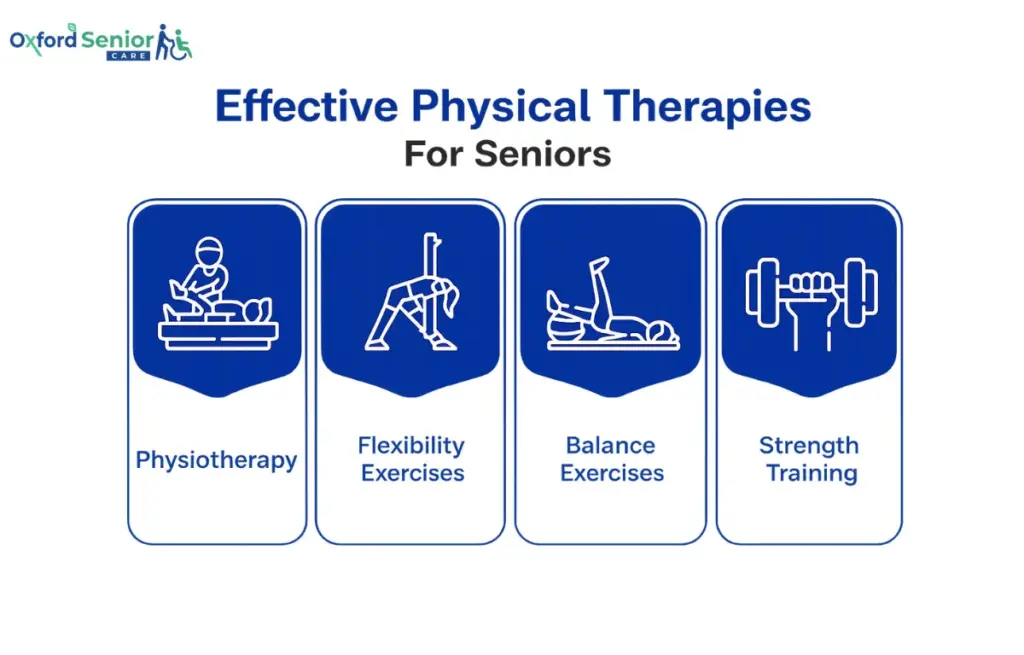
- Assessment of mobility, balance, strength, and posture
- Gentle stretching exercises
- Muscle-strengthening activities
- Balance and coordination training
- Walking or gait correction exercises
- Education about safe movement techniques
- Home exercise recommendations
Sessions are designed around individual abilities and goals. Whether someone wants to walk without discomfort, climb stairs more confidently, or simply remain independent, physiotherapy adapts to meet those needs.
Conclusion
Aging Should Not Mean Surrendering Independence. The true purpose of physiotherapy for elderly individuals extends far beyond pain relief or rehabilitation. It is about preserving the freedom to move, participate, connect, and enjoy life. Every step taken independently, every family celebration attended comfortably, every errand completed without assistance, and every moment lived with confidence reflects the power of movement. Growing older is inevitable. Becoming inactive is not.
Physiotherapy reminds us that the body possesses an extraordinary ability to adapt, strengthen, and recover throughout life. The earlier movement becomes a priority, the greater the opportunity to remain independent for years to come. Because in the end, successful aging is not measured by how many years we live it is measured by how fully we are able to live those years.