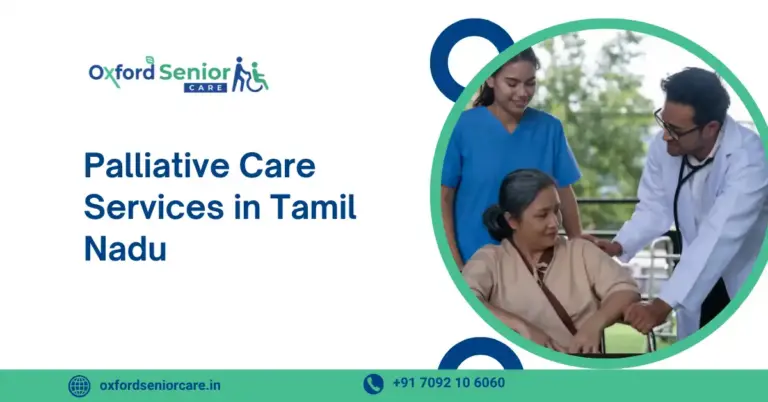
A serious illness changes more than a person’s physical health—it affects emotions, relationships, daily routines, and the lives of everyone involved. Families often find themselves balancing medical appointments, symptom management, and the emotional weight of seeing a loved one struggle with pain or discomfort. During such times, many people believe that treatment is the only priority. However, ensuring comfort, preserving dignity, and improving quality of life are equally important aspects of care.
This is where palliative care plays a meaningful role. Rather than focusing solely on treating a disease, it focuses on caring for the person as a whole. By helping manage symptoms, providing emotional and psychological support, and guiding families through complex healthcare decisions, palliative care allows patients to live each day with greater comfort and confidence.
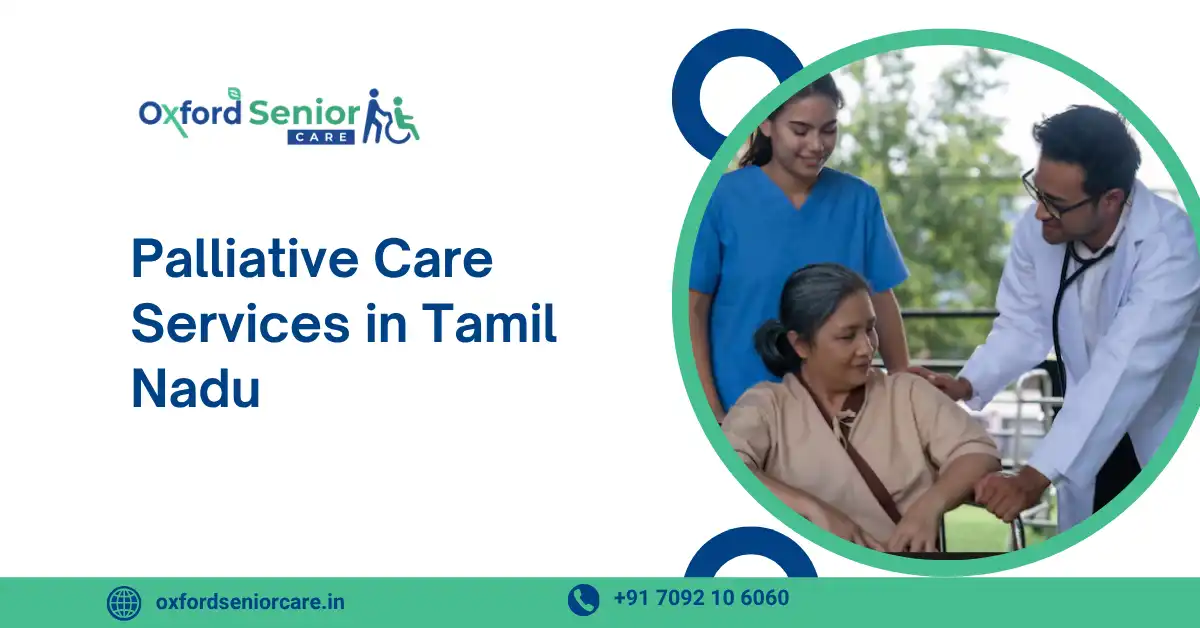
Whether provided at home, in a hospital, or through a specialized care team, Palliative Care Services in Tamil Nadu are helping patients and families navigate serious illnesses with compassion, personalized support, and a better quality of life.
Understanding Palliative Care Beyond the Myths
Despite its growing importance in modern healthcare, palliative care is often misunderstood. Many families delay seeking support because they associate it with giving up on treatment or believe it is only meant for the final stages of life.
The reality is very different.
Palliative care is a specialized approach that focuses on relieving symptoms, reducing physical and emotional distress, and improving overall quality of life for people living with serious illnesses. Palliative Care Services in Tamil Nadu can be provided alongside curative or life-prolonging treatments and are tailored to the individual needs of each patient.
Let’s address some of the most common misconceptions.
Myth: Palliative care means there is no hope left.
Reality: Palliative care is not about giving up hope—it is about redefining it. While medical treatments continue whenever appropriate, palliative care helps patients live as comfortably and meaningfully as possible throughout their healthcare journey.
Myth: It is only for cancer patients.
Reality: Although many cancer patients benefit from palliative care, it also supports individuals living with advanced kidney disease, heart failure, chronic lung diseases, neurological disorders, liver disease, dementia, and many other serious health conditions.
Myth: Palliative care is only needed during the last few days of life.
Reality: Patients can benefit from palliative care much earlier. Early symptom management often improves comfort, reduces unnecessary hospital visits, and enhances overall well-being throughout treatment.
Understanding these facts helps families make informed decisions and seek supportive care before symptoms become overwhelming.
Who Can Benefit from Palliative Care?
Palliative care is appropriate whenever a serious illness begins affecting comfort, independence, or quality of life. The need is determined by the patient’s symptoms and overall well-being rather than by age or a specific diagnosis.
Some of the people who may benefit include:
- Patients Living with Advanced Cancer: Cancer and its treatments can cause pain, fatigue, nausea, appetite loss, emotional stress, and other challenging symptoms. Palliative care helps manage these concerns while supporting both patients and their families throughout treatment.
- Individuals with Kidney Disease: People living with advanced kidney disease often experience fatigue, swelling, itching, pain, and reduced appetite. Palliative care works alongside nephrology treatment to improve symptom control and enhance everyday comfort.
- People with Heart or Lung Disease: Conditions such as advanced heart failure or chronic lung disease may cause breathlessness, weakness, and frequent hospital admissions. Palliative care focuses on improving symptom management and helping patients maintain their daily activities as much as possible.
- Patients with Neurological Disorders: Individuals living with conditions such as Parkinson’s disease, motor neuron disease, multiple sclerosis, or advanced dementia often require ongoing physical, emotional, and supportive care as their needs evolve over time.
- Older Adults with Multiple Health Conditions: Many elderly patients live with several chronic illnesses that affect mobility, nutrition, sleep, and overall quality of life. Palliative care provides a coordinated approach that addresses these complex needs while supporting caregivers.
The common goal of Palliative Care Services in Tamil Nadu across all these situations is not simply treating a disease—it is helping patients experience the highest possible level of comfort and independence.
Living Better Every Day: The True Goal of Palliative Care
The greatest strength of palliative care lies in its ability to improve daily living, including through home healthcare services in Tamilnadu. Rather than concentrating only on medical conditions, it focuses on the challenges patients face each day and works to reduce their physical and emotional burden.
- Better Symptom Management: Persistent pain, breathlessness, nausea, fatigue, and difficulty sleeping can significantly affect a person’s quality of life. Through individualized care plans and regular medical review, palliative care aims to control these symptoms so patients can spend more time doing what matters most to them.
- Supporting Emotional Well-being: Serious illness often brings anxiety, uncertainty, frustration, and fear. Patients may worry about losing independence, while family members struggle with emotional and caregiving responsibilities. Palliative care recognizes these concerns by offering emotional support, open communication, and guidance that helps both patients and families cope with the challenges of long-term illness.
- Improving Daily Comfort: Simple adjustments can have a meaningful impact on a patient’s day. Managing pain effectively, improving sleep quality, ensuring proper nutrition, and assisting with mobility all contribute to greater comfort and confidence. The objective is not perfection—it is helping each day feel more manageable than the one before.
- Helping Families Feel Supported: Family members often become primary caregivers without formal medical training. Palliative care teams provide education, practical guidance, and reassurance that help families make informed decisions while feeling less overwhelmed by caregiving responsibilities. When caregivers feel supported, they are better equipped to provide compassionate and consistent care at home.
Why Families Across Tamil Nadu Trust Professional Palliative Care
Tamil Nadu has earned a strong reputation as one of India’s leading healthcare destinations, supported by experienced specialists, advanced medical facilities, and an extensive network of home healthcare services. This well-established healthcare ecosystem enables patients with serious illnesses to receive comprehensive palliative care that focuses not only on medical treatment but also on comfort, dignity, and quality of life.
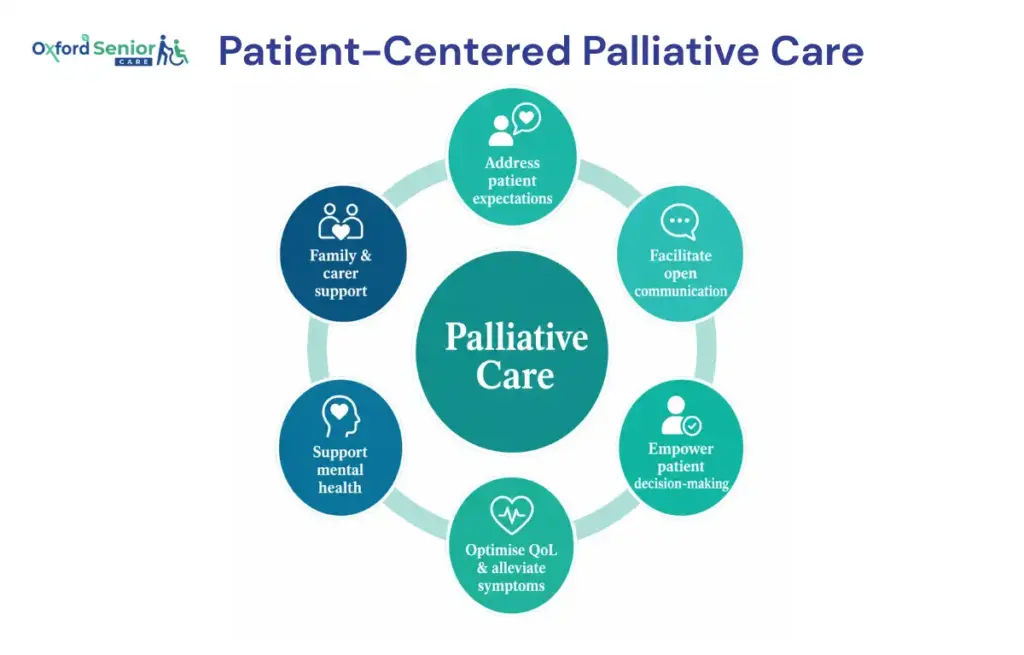
What makes Palliative Care Services in Tamil Nadu particularly valuable is their coordinated, patient-centered approach. Instead of addressing symptoms in isolation, multidisciplinary healthcare teams work together to understand each patient’s physical, emotional, psychological, and practical needs while supporting family members throughout the care journey.
Families often choose professional palliative care because it offers:
- A Multidisciplinary Team Working Together: Doctors, nurses, physiotherapists, nutritionists, psychologists, and trained caregivers collaborate to create individualized care plans. This coordinated approach ensures that pain management, mobility, nutrition, emotional well-being, and daily comfort receive equal attention.
- Seamless Care from Hospital to Home: Many patients require ongoing support even after leaving the hospital. Professional palliative care provides continuity through scheduled follow-ups, medication reviews, nursing visits, and home-based symptom management, reducing unnecessary interruptions in care.
- Care Plans That Evolve with the Patient: Serious illnesses often change over time. Regular clinical assessments allow healthcare teams to adjust treatment goals, symptom management strategies, and supportive services according to the patient’s current needs rather than following a fixed plan.
- Comprehensive Support for Families: Family members are active partners in care. Professional teams provide practical caregiving guidance, education, emotional reassurance, and ongoing communication, helping families feel confident while caring for their loved ones.
By combining medical expertise with compassionate support, palliative care services across Tamil Nadu help patients experience greater comfort while giving families the confidence to navigate every stage of the healthcare journey.
Home-Based Palliative Care Across Tamil Nadu
Palliative Care Services in Tamil Nadu enable many patients living with serious illnesses to receive professional medical support while remaining in the comfort of their own homes. Home-based palliative care offers the perfect balance between expert symptom management and emotional well-being, allowing patients to stay in familiar surroundings while continuing to receive nursing care, rehabilitation support, and regular medical guidance. By reducing unnecessary hospital visits and encouraging active family participation, these services help patients maintain greater comfort, independence, and quality of life throughout their healthcare journey.
For many patients, home is more than a place—it is where they feel safest, most comfortable, and emotionally connected. Whenever medically appropriate, receiving palliative care at home allows patients to remain in familiar surroundings while continuing to receive professional medical support tailored to their needs.
Home-Based Palliative Care Services in Tamilnadu combines clinical expertise with personalized attention, helping patients manage symptoms without frequent hospital visits whenever possible.
Some of the key advantages include:
- Personalized Care in a Familiar Environment: Recovering or living with a serious illness often feels less stressful when patients are surrounded by family, familiar routines, and the comforts of home. This environment can contribute positively to emotional well-being while reducing the anxiety associated with repeated hospital stays.
- Continuous Support for Changing Needs: Serious illnesses rarely remain static. As symptoms change over time, healthcare professionals regularly reassess the patient’s condition and adjust medications, nursing care, nutritional guidance, and symptom management strategies accordingly.
- Greater Family Participation: Home care encourages family members to actively participate in the patient’s care while receiving practical guidance from healthcare professionals. This collaborative approach helps caregivers feel more confident and ensures that patients receive consistent support between medical visits.
- Reducing Unnecessary Hospital Visits: Effective symptom management and regular monitoring at home can help address many concerns before they become emergencies, reducing avoidable hospital admissions while allowing patients to remain in a familiar and comforting environment whenever possible.
Hospital-Based vs Home-Based Palliative Care
| Aspect | Hospital-Based Care | Home-Based Palliative Care |
| Care Environment | Clinical setting | Familiar home environment |
| Family Involvement | Limited visiting hours | Continuous family presence |
| Travel Requirements | Frequent hospital visits | Care delivered at home |
| Emotional Comfort | Hospital surroundings | Greater familiarity and reassurance |
| Follow-up Care | Scheduled hospital appointments | Regular home visits and remote guidance when appropriate |
The Patient & Family Journey: What to Expect
Every patient’s needs are unique, but Palliative Care Services in Tamil Nadu generally follow a structured and compassionate approach that evolves as the patient’s condition changes.
Step 1: Understanding the Patient’s Needs
The journey begins with a detailed assessment of the patient’s medical condition, symptoms, emotional well-being, daily challenges, and personal care goals. This helps the healthcare team understand what matters most to both the patient and the family.
Step 2: Creating a Personalized Care Plan
Based on the assessment, a customized care plan is developed to address pain management, symptom relief, nutritional needs, emotional support, and any additional medical requirements.
Step 3: Ongoing Symptom Management
Healthcare professionals regularly review the patient’s progress, adjust medications when necessary, and respond promptly to changes in symptoms to maintain comfort and stability.
Step 4: Supporting the Family
Palliative care extends beyond the patient. Families receive guidance on caregiving, medication schedules, symptom monitoring, and practical ways to provide safe and compassionate support at home.
Step 5: Continuous Follow-up
As the patient’s condition changes, the care plan evolves accordingly. Regular communication between the healthcare team and the family ensures that care remains appropriate, responsive, and centered on the patient’s needs.
This coordinated journey helps patients receive consistent support while giving families greater confidence throughout the caregiving process.
Small Moments That Improve Quality of Life
Quality of life is often shaped by everyday experiences rather than major medical interventions alone in Palliative Care Services in Tamil Nadu. Alongside symptom management, small acts of compassion can help patients feel valued, respected, and emotionally connected.
Meaningful moments may include:
- Beginning the day with a warm conversation instead of immediately discussing medications or illness.
- Encouraging patients to make simple choices about meals, clothing, or daily routines whenever possible.
- Playing their favorite music, reading together, or enjoying quiet conversations that provide comfort and familiarity.
- Celebrating birthdays, festivals, or personal milestones to maintain a sense of normalcy and togetherness.
- Respecting privacy during personal care and involving patients in decisions about their treatment whenever appropriate.
- Creating opportunities for family members to spend meaningful time together, strengthening emotional bonds during difficult moments.
These thoughtful gestures cannot replace medical treatment, but they often provide comfort that medicine alone cannot offer.
Choosing the Right Palliative Care Provider in Tamil Nadu
When choosing Palliative Care Services in Tamil Nadu, selecting the right provider is an important decision that can influence both the patient’s comfort and the family’s caregiving experience. Beyond medical expertise, look for a team that values compassionate communication, coordinated care, and long-term support to ensure comprehensive, patient-centered care throughout the journey.
When evaluating a provider, consider whether they offer:
- A multidisciplinary team with experienced doctors, nurses, and rehabilitation specialists.
- Home-based care services and regular follow-up visits.
- Personalized care plans that adapt as the patient’s condition changes.
- Clear communication with patients and family members.
- Guidance for caregivers, including education and emotional support.
- Access to emergency advice or timely medical assistance when required.
Choosing a provider that combines clinical expertise with compassionate, patient-centered care helps ensure that every stage of the journey is managed with dignity, comfort, and confidence.
When Should Families Consider Palliative Care?
Many families wait until symptoms become severe before asking about palliative care or a Home Care Nursing Service in Tamilnadu. In reality, seeking support earlier often leads to better symptom control, improved quality of life, and greater confidence for both patients and caregivers.
Families should consider discussing palliative care with their healthcare provider if a loved one:
- Experiences persistent pain or symptoms that affect daily life.
- Requires frequent hospital admissions because of a serious illness.
- Finds it increasingly difficult to manage everyday activities independently.
- Needs additional support with symptom management at home.
- Shows signs of emotional distress related to a chronic or advanced medical condition.
- Has caregivers who feel physically or emotionally overwhelmed by ongoing responsibilities.
Early conversations with Palliative Care Services in Tamil Nadu allow healthcare teams to provide proactive support before problems become more difficult to manage.
Do’s and Don’ts of Palliative Care
Do’s
- Communicate openly with the healthcare team about changing symptoms.
- Encourage patients to express their wishes and participate in care decisions.
- Follow medication schedules and care plans as advised.
- Maintain balanced nutrition and hydration according to medical recommendations.
- Provide emotional reassurance through regular family interaction and compassionate communication.
Don’ts
- Do not assume palliative care is only for the final stage of illness.
- Avoid delaying medical advice when symptoms worsen.
- Do not stop prescribed treatments without consulting the healthcare provider.
- Avoid excluding patients from important conversations about their own care whenever possible.
- Do not overlook the emotional needs of caregivers while supporting the patient.
Patient Perspective: Living Each Day with Comfort and Dignity
After being diagnosed with advanced heart failure, a retired teacher found everyday activities increasingly exhausting. Frequent hospital visits and persistent breathlessness left both the patient and family feeling physically and emotionally drained.
When palliative care was introduced, the focus expanded beyond medical treatment alone. Better symptom management, regular nursing support, nutritional guidance, and open conversations with the healthcare team helped reduce discomfort and improve confidence at home. Equally important, the family learned practical ways to provide care while continuing to spend meaningful time together.
Although the underlying illness remained, each day became more comfortable, more manageable, and more centered on the patient’s priorities. This reflects the true purpose of Palliative Care Services in Tamil Nadu—not changing the diagnosis, but improving the experience of living with it.
Conclusion
Serious illness affects every aspect of life, but compassionate care can make that journey more comfortable, meaningful, and manageable. Palliative care goes beyond treating symptoms by addressing the physical, emotional, psychological, and practical challenges faced by both patients and their families.
Whether provided at home or within a healthcare facility, Palliative Care Services in Tamil Nadu help individuals receive personalized support that respects their values, preserves dignity, and improves quality of life. Through effective symptom management, coordinated medical care, and compassionate family support, patients can continue to focus on what matters most to them each day.